
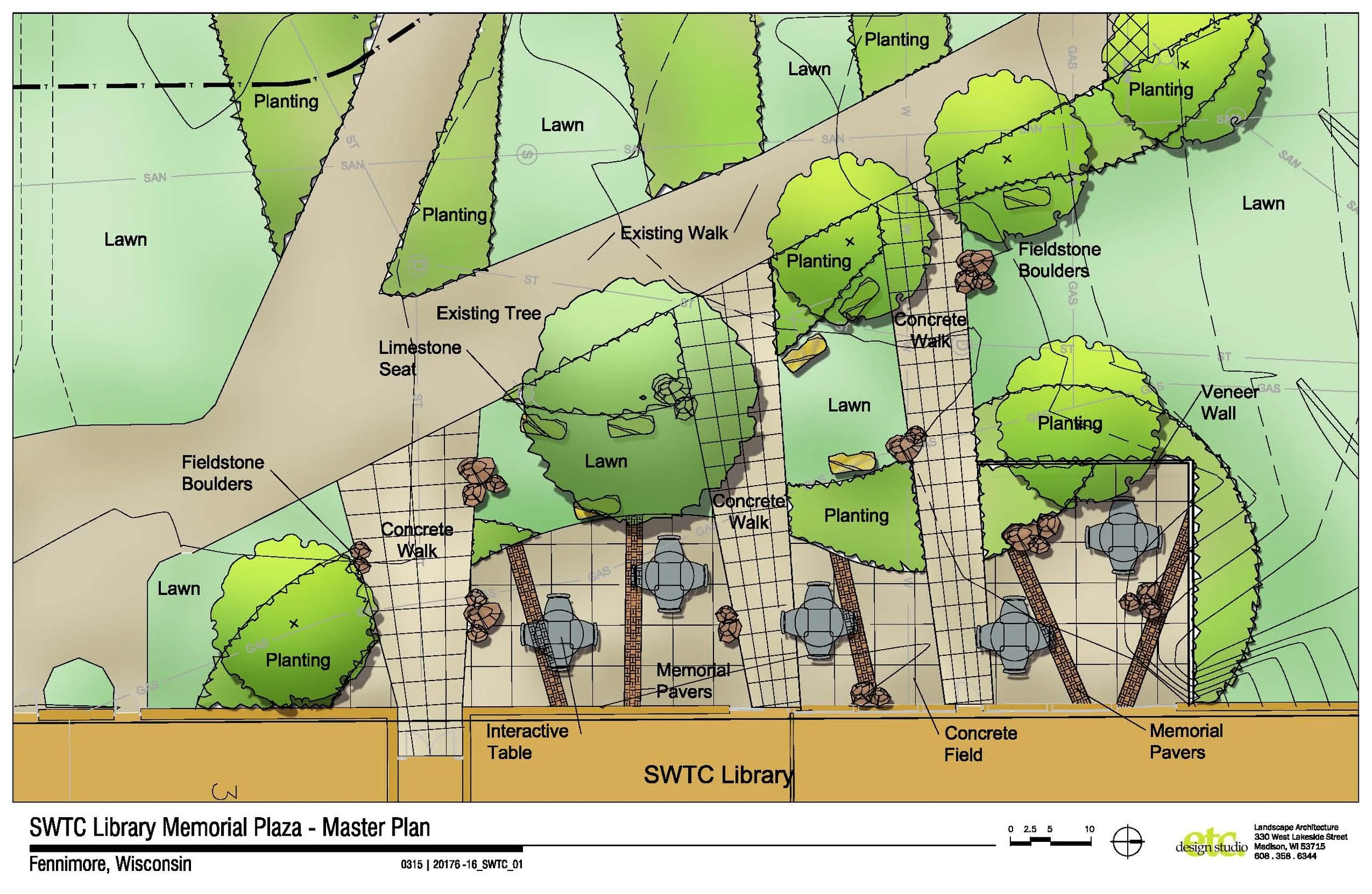
Libraries have always been gathering places, but increasingly, those gathering spaces extend beyond the walls of the building itself.
At the 2026 American Library Association Annual Conference in Chicago, ReThinking Libraries Principal Janet Nelson joined Sun Prairie Public Library Director Svetha Hetzler and landscape architect Garret Perry of design studio, etc. to explore how libraries are creating outdoor environments that support community connection, learning, programming, and wellness.
Why Outdoor Spaces Matter
The growing interest in library outdoor spaces began before the COVID-19 pandemic, as libraries looked for ways to better connect indoor and outdoor environments. The pandemic accelerated that trend, forcing organizations to find new ways for people to gather safely. In the process, many communities discovered just how valuable outdoor spaces could be.
Today, libraries across the country are embracing outdoor areas for everything from large community events and performances to quiet reading, environmental education, and informal social connections. Outdoor spaces also support broader community goals related to sustainability, accessibility, and health and wellness.
Start by Listening
Successful outdoor spaces begin with community engagement.
Perry emphasized the importance of gathering input from a wide variety of stakeholders, including both library users and non-users. Community engagement sessions, design charrettes, surveys, and creative outreach efforts can help libraries understand how people want to use outdoor spaces and what amenities matter most.
Including participants of different ages, abilities, and backgrounds often reveals needs that might otherwise be overlooked.
Think Creatively About Available Space
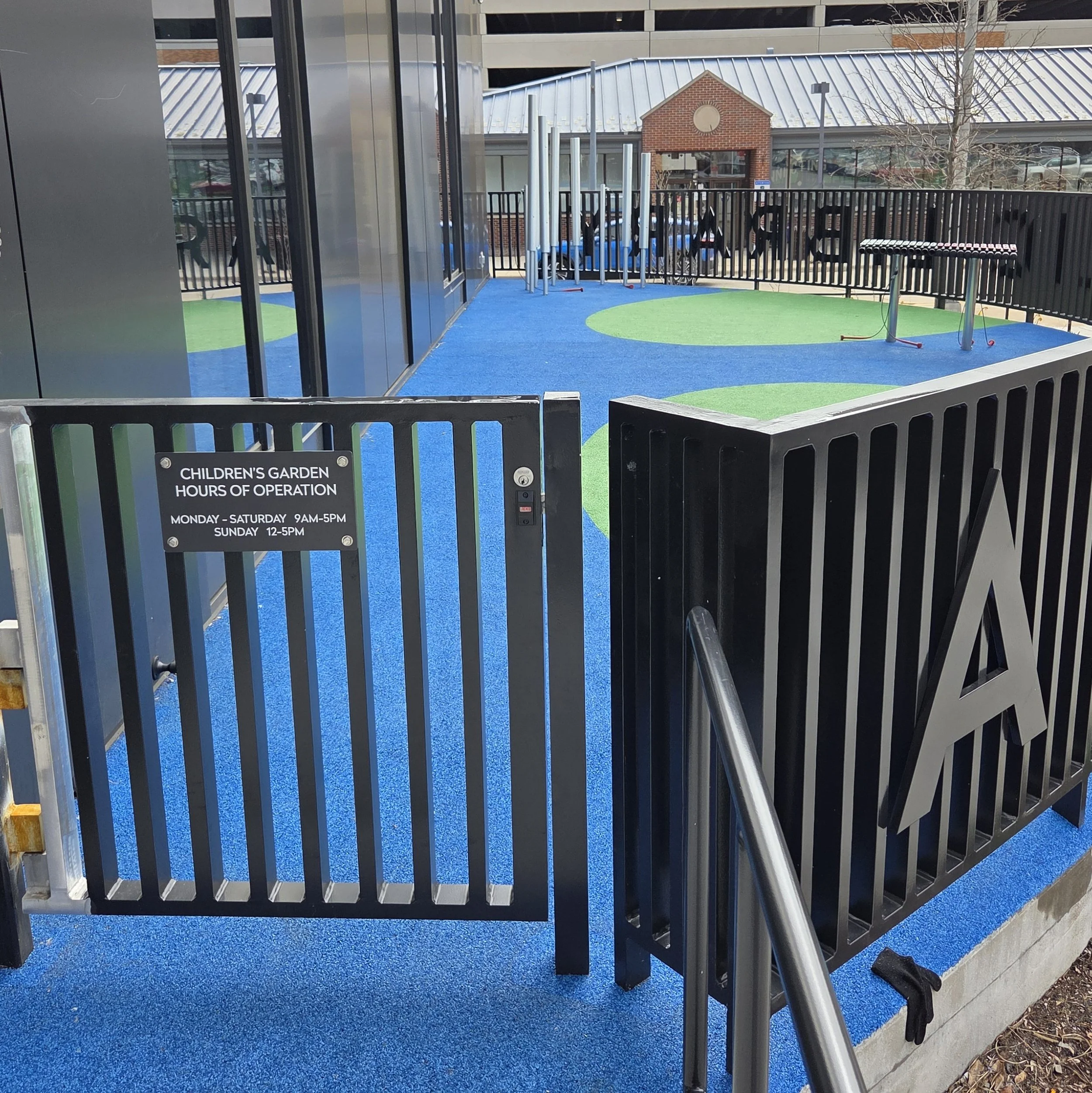
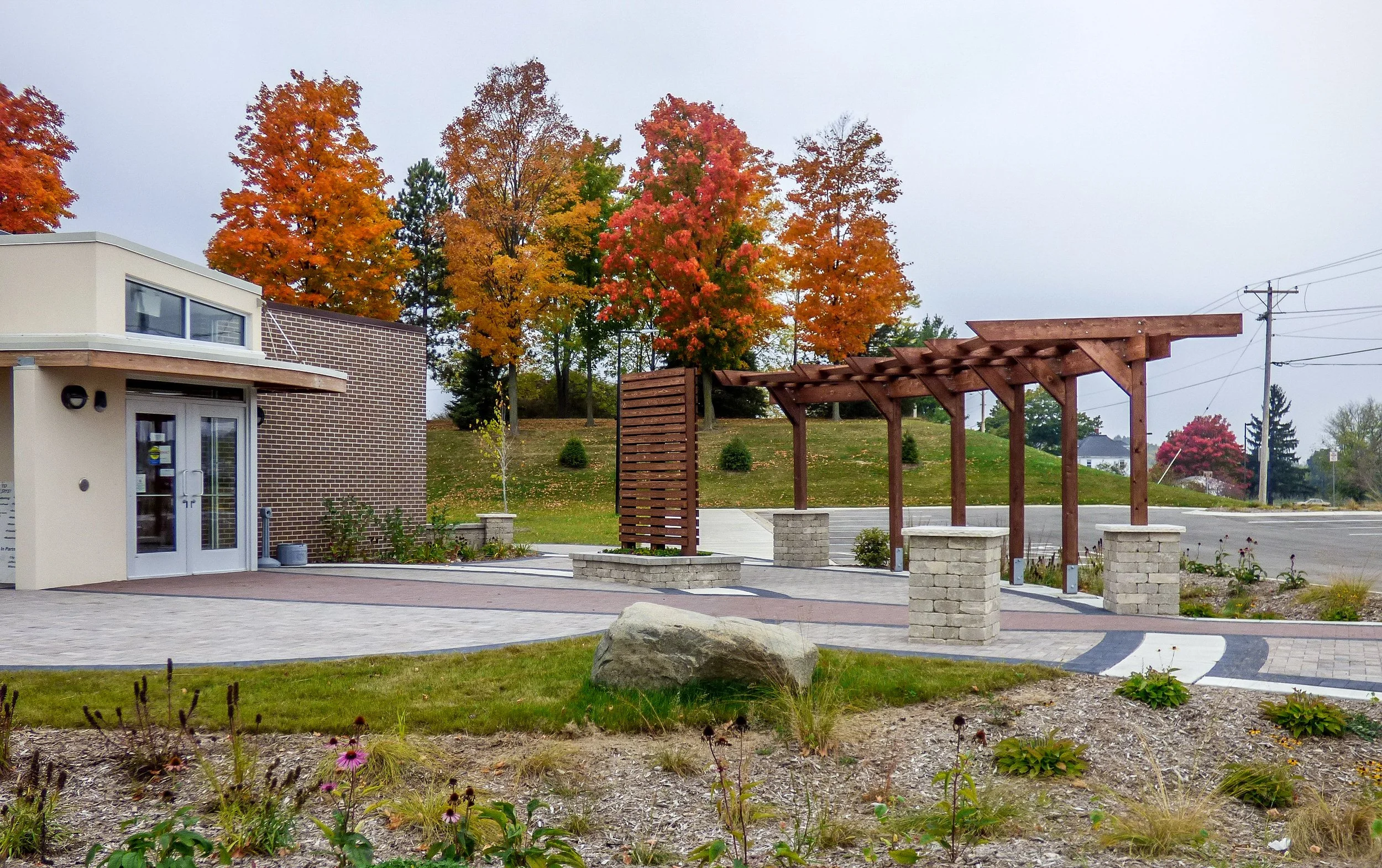
Not every library has a large lawn or expansive campus. Fortunately, outdoor space planning is not limited to traditional green space.
Libraries are finding opportunities in plazas, rooftops, balconies, alleyways, streetscapes, pocket parks, parking lots, and even neighboring properties through partnerships. The key is evaluating what space is available and imagining how it might serve the community in new ways.
The surrounding environment also plays an important role. Noise levels, traffic patterns, safety considerations, stormwater management, and access all influence how successful a space will be.
Designing for Flexibility
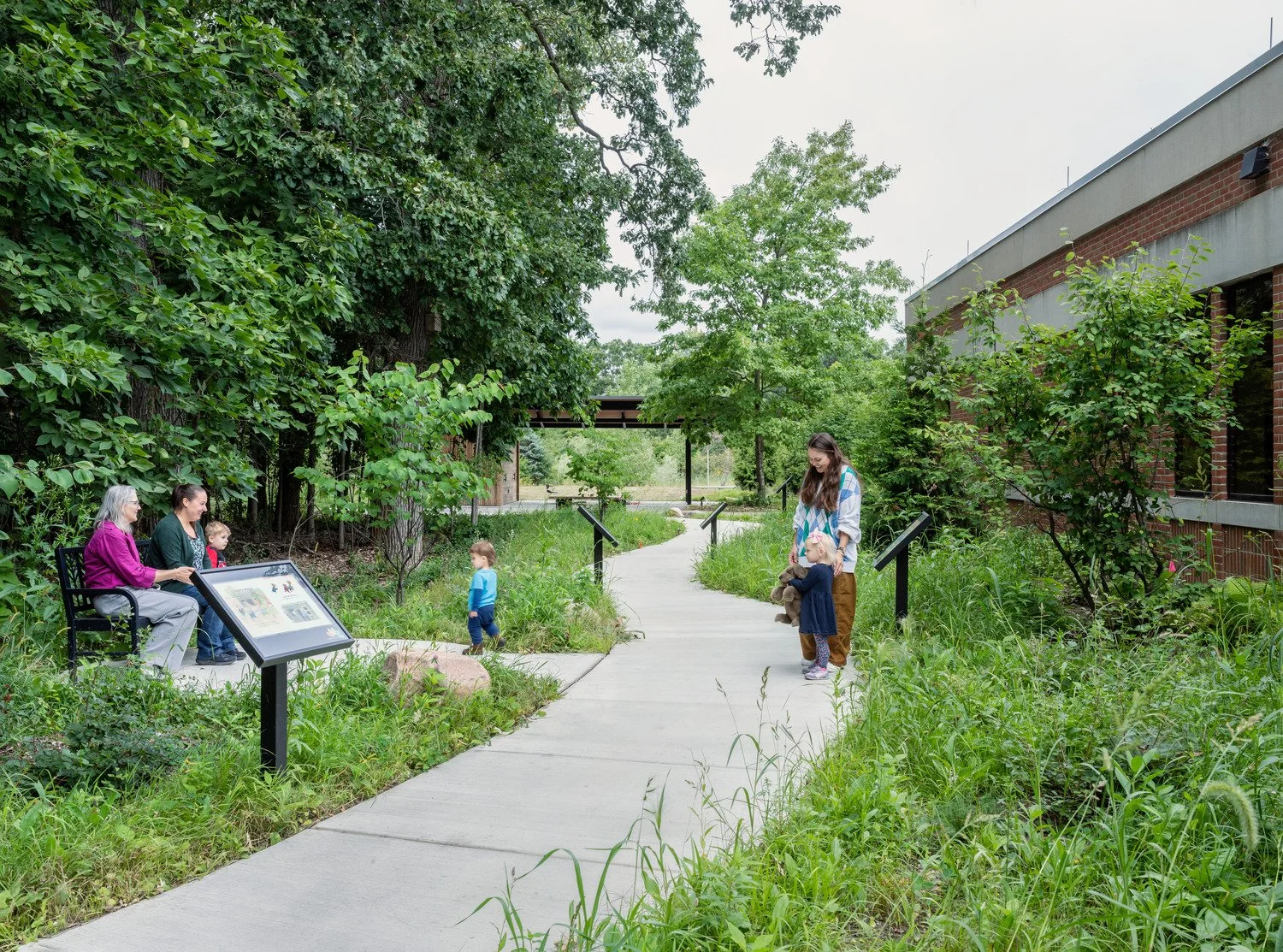
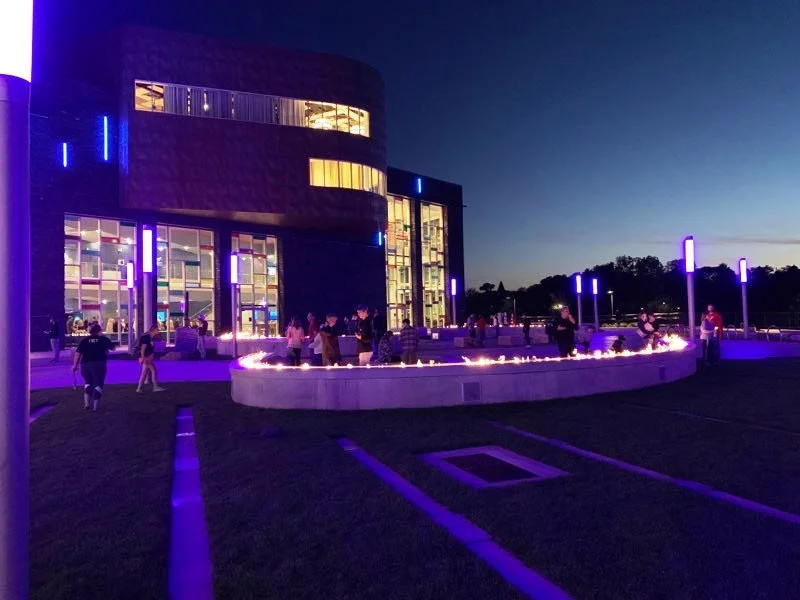
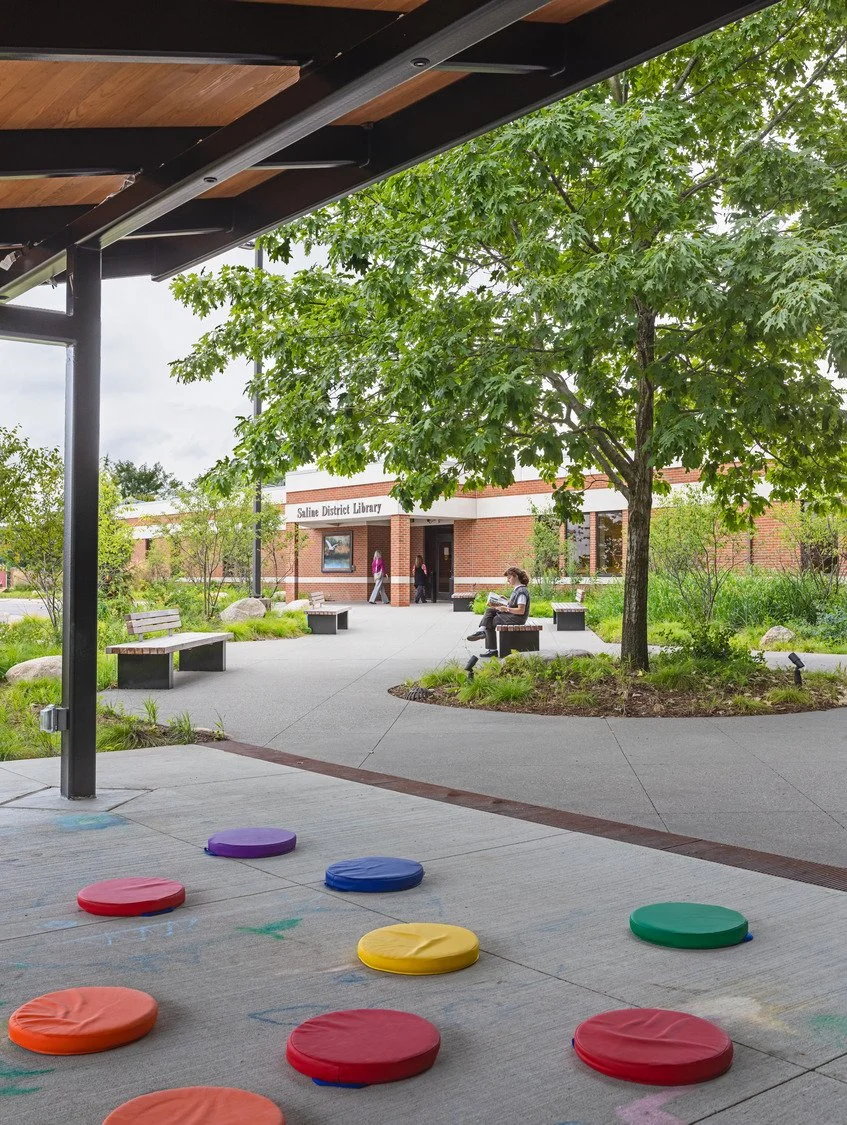
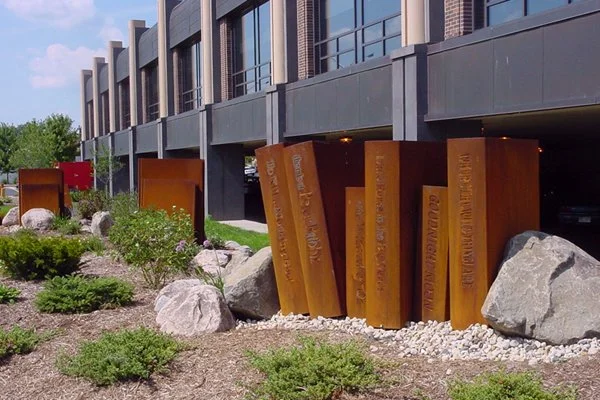
One recurring theme throughout the presentation was flexibility.
Libraries often have a long wish list of potential outdoor uses, but budgets rarely allow everything to be built at once. Planning for future expansion enables libraries to create a framework that can grow over time.
Outdoor spaces can support a wide variety of activities, including:
Large community programs and performances
Reading and relaxation areas
Small group collaboration spaces
Outdoor dining and gathering areas
Educational and environmental programming
Fundraising events and community celebrations
Designing spaces that can adapt to changing needs helps maximize long-term value.
Creating Spaces for Everyone
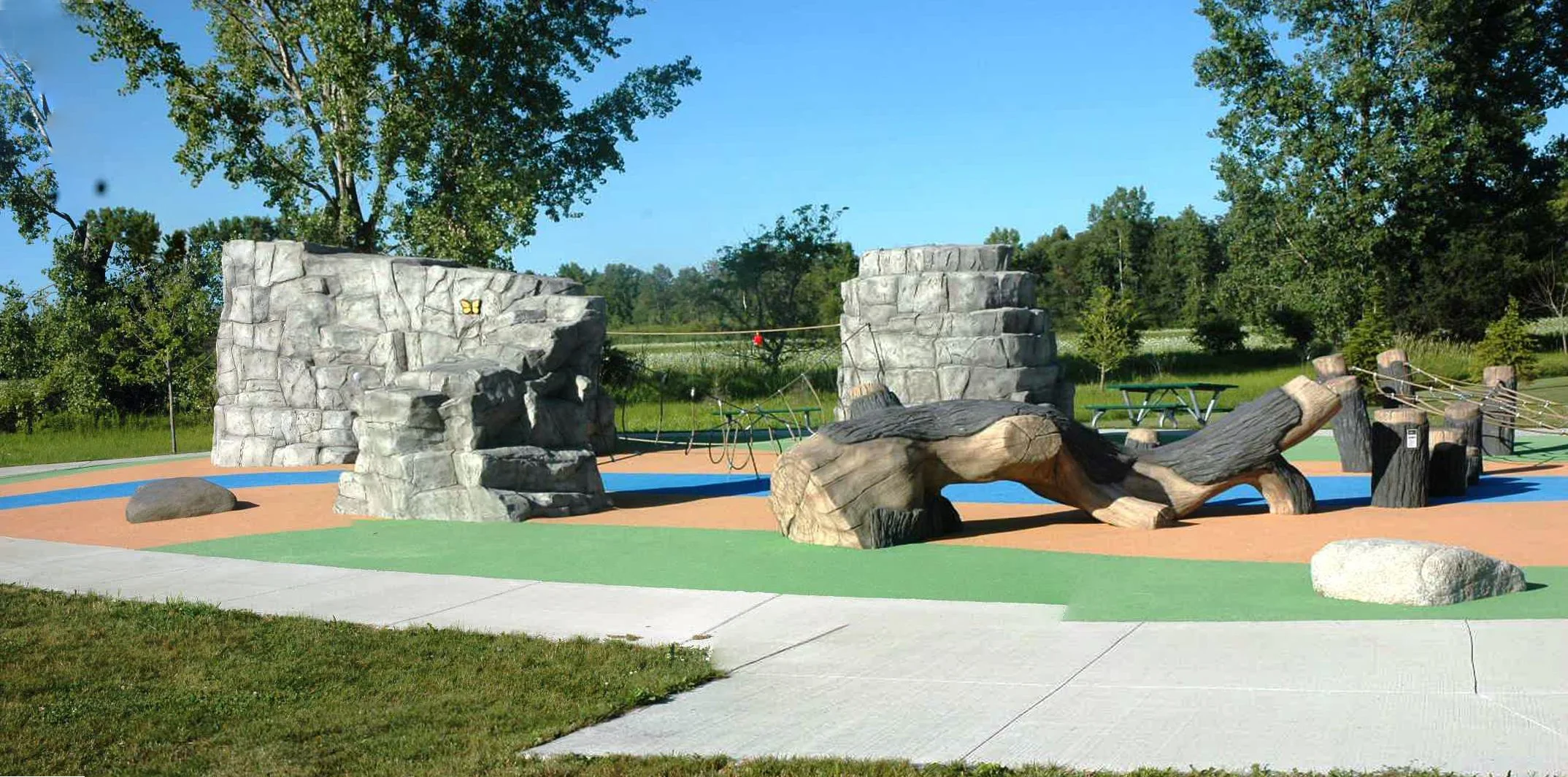
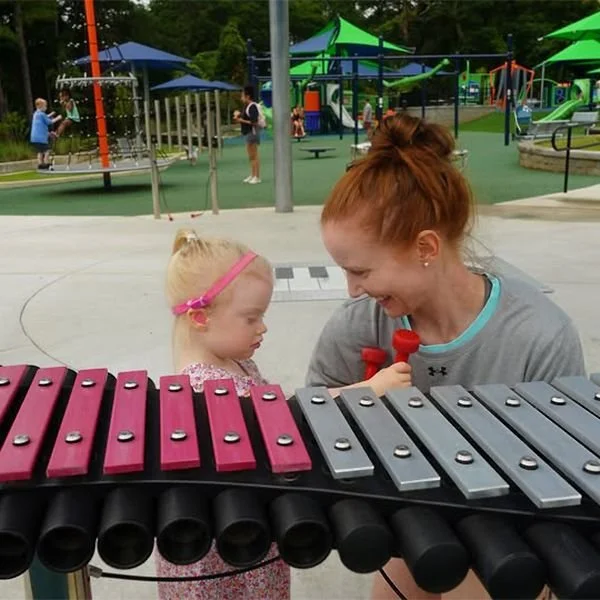
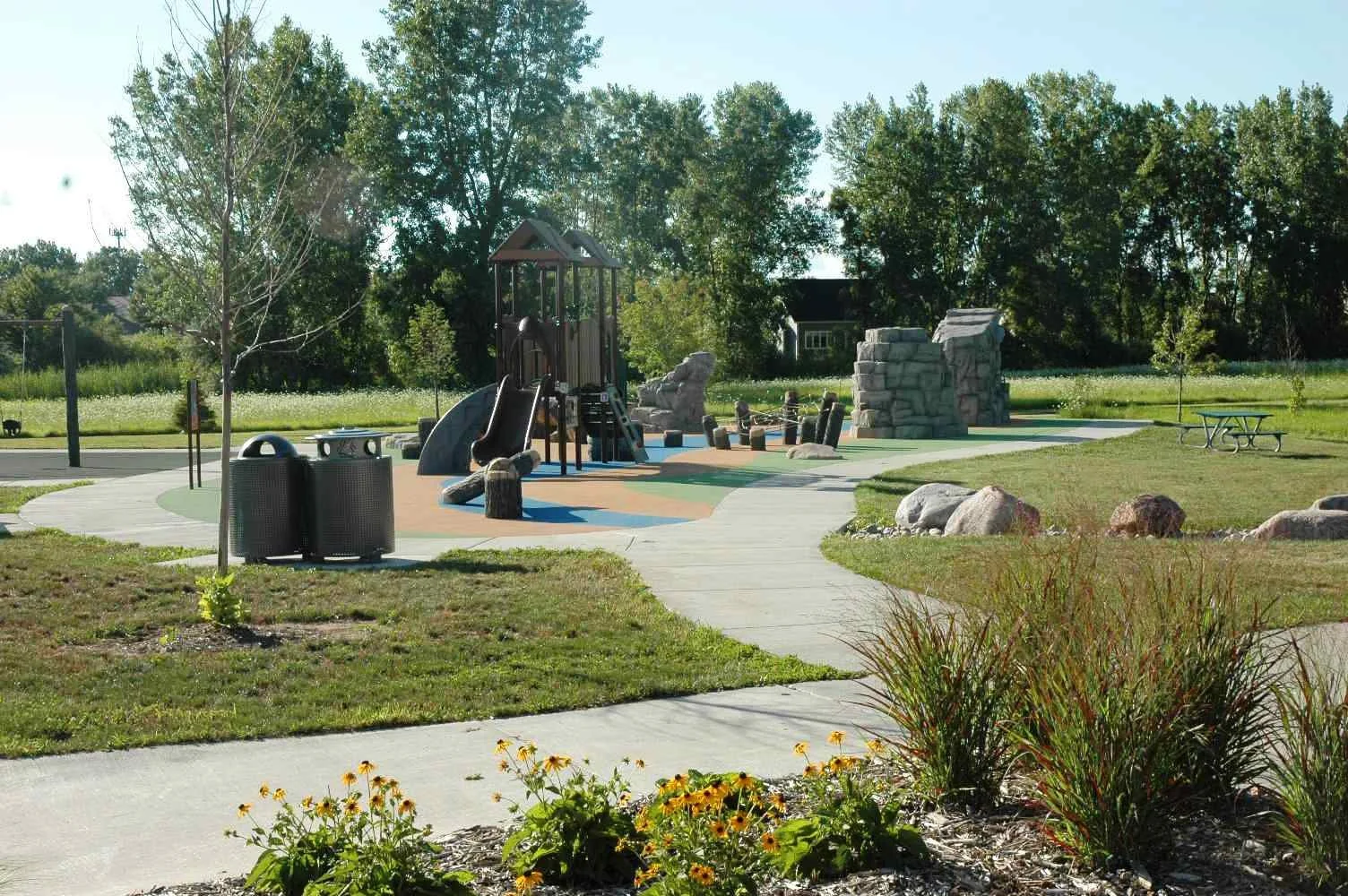

Just as libraries carefully consider how indoor spaces serve different users, outdoor areas should be designed with multiple audiences in mind.
Some spaces may be scaled for children and families, while others provide comfortable environments for adults seeking quiet reflection or social interaction. Multi-generational spaces often create the greatest opportunities for community connection.
Thoughtful landscaping, native plantings, diverse seating options, and accessible pathways can transform outdoor areas into welcoming destinations for all visitors.
The Details Matter
While programming and design concepts often receive the most attention, practical considerations are equally important.
Amenities such as Wi-Fi, electrical access, lighting, restrooms, bicycle parking, and storage can significantly impact how frequently outdoor spaces are used. Maintenance requirements should also be considered early in the planning process, particularly when selecting furnishings and materials.
One of the most overlooked elements is shade. Providing protection from the sun can dramatically improve comfort and usability. Trees, permanent structures, movable shade systems, and thoughtful site orientation can all contribute to creating more inviting outdoor environments.
Looking Ahead
As libraries continue to evolve, outdoor spaces offer exciting opportunities to extend services, strengthen community connections, and create new experiences for visitors.
Whether through a modest courtyard, a community plaza, or a large outdoor programming venue, these spaces allow libraries to meet people where they are—sometimes quite literally outside the building.
By combining community input, thoughtful design, and long-term flexibility, libraries can create outdoor environments that serve their communities for years to come.
