Reconnecting Community Through Access, Sustainability, and Care at the Saratoga Springs Public Library
When the Saratoga Springs Public Library partnered with ReThinking Libraries in 2020, the world was in the middle of extraordinary uncertainty. Every community conversation, planning session, and strategic discussion had to happen virtually as libraries everywhere were navigating rapidly changing realities.
“We were all learning Zoom together,” recalled Assistant Library Director Jennifer Ferriss. “The strategic plan really addressed the uncertainty of the world at that time.”
Yet despite the unusual circumstances, the resulting strategic plan proved remarkably durable. In fact, the library readopted the same plan in 2025, a testament to both its relevance and the community-centered priorities it established.
Serving a vibrant and complex community helped shape that vision. The library’s district includes Saratoga Springs’ downtown core, surrounding suburbs, and rural areas, creating a diverse mix of residents and needs. Beyond its approximately 55,000 district residents, the community also experiences a steady influx of visitors drawn by tourism, the famed race track season, and nearby Skidmore College.
That diversity inspired a strategic focus on access, connection, and collaboration.
Removing Barriers to Access
One of the library’s major priorities has been eliminating obstacles that prevent people from using services.
The library removed overdue fines, eliminated the requirement for library cards to access computers, and removed computer time limits. Staff also developed new ways for caregivers—including grandparents, nannies, and other caretakers—to more easily borrow materials for children before parents authorize full account access.
These efforts align closely with the library’s longstanding commitment to sustainability and equity. Prior to the strategic planning process, the library had already become a certified sustainable library, embracing sustainability not only as environmental stewardship but also as social justice and equity work.
That momentum continues today through the staff-led IDEA group: Inclusivity, Diversity, Equity, and Accessibility.
Addressing Community Needs Through Harm Reduction
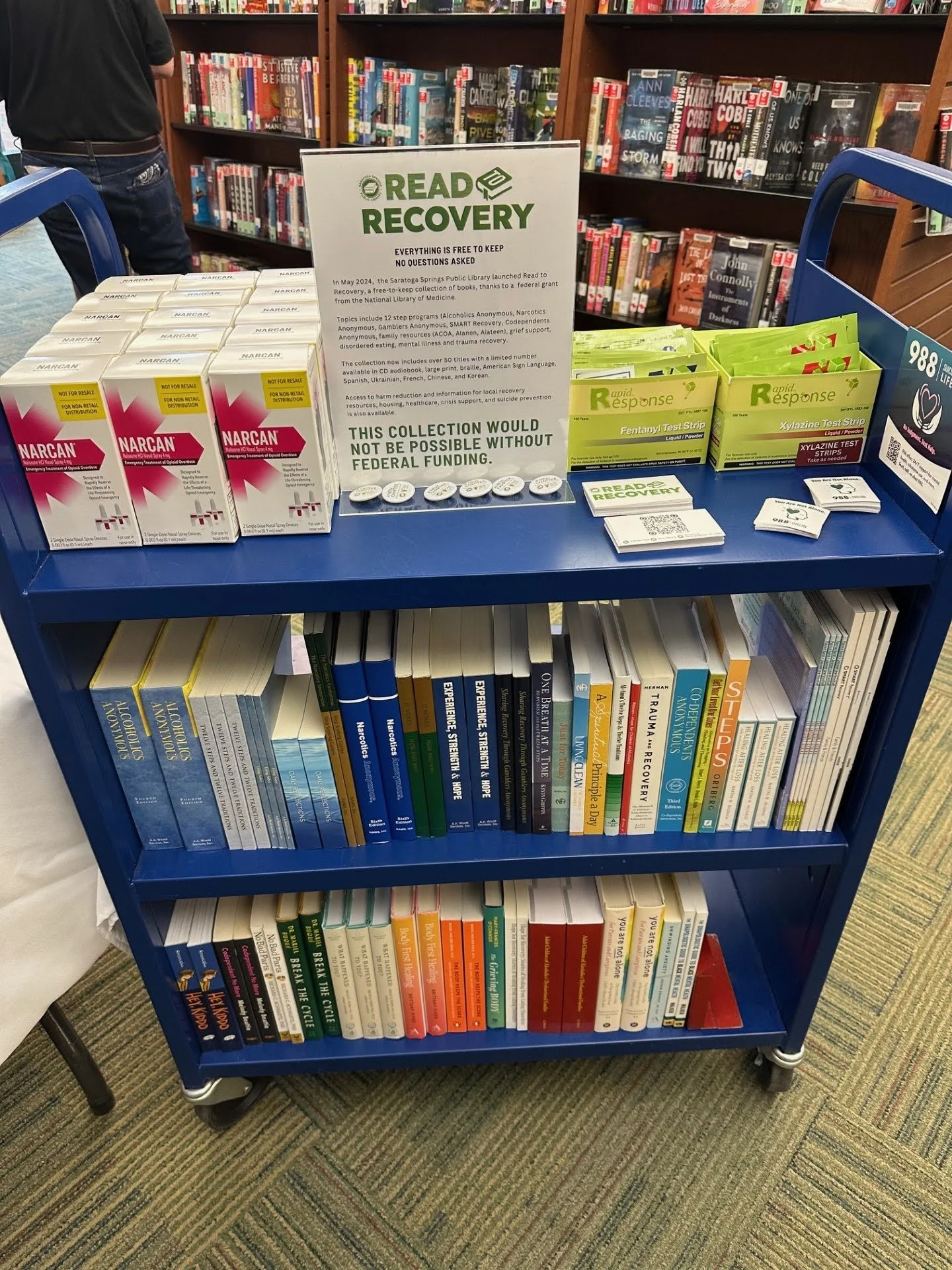
One initiative that has gained significant attention is the library’s Read to Recovery program, launched in 2024 in response to rising overdose rates in the county.
Modeled after work by the San Francisco Public Library, the program provides access to addiction and recovery materials without requiring a library card. A timely grant from the National Library of Medicine helped seed the initial collection, and local recovery centers have since contributed funding to help it grow.
The library also began offering Narcan and fentanyl testing strips, with staff trained in overdose response. Today, the library has become one of the county’s largest distributors of Narcan.
Ferriss noted that while substance use in the area continues to rise, overdose deaths have declined significantly.
Importantly, the collection addresses many forms of addiction, including gambling addiction, which is particularly relevant in a community shaped by seasonal race track tourism.
Repairing More Than Objects
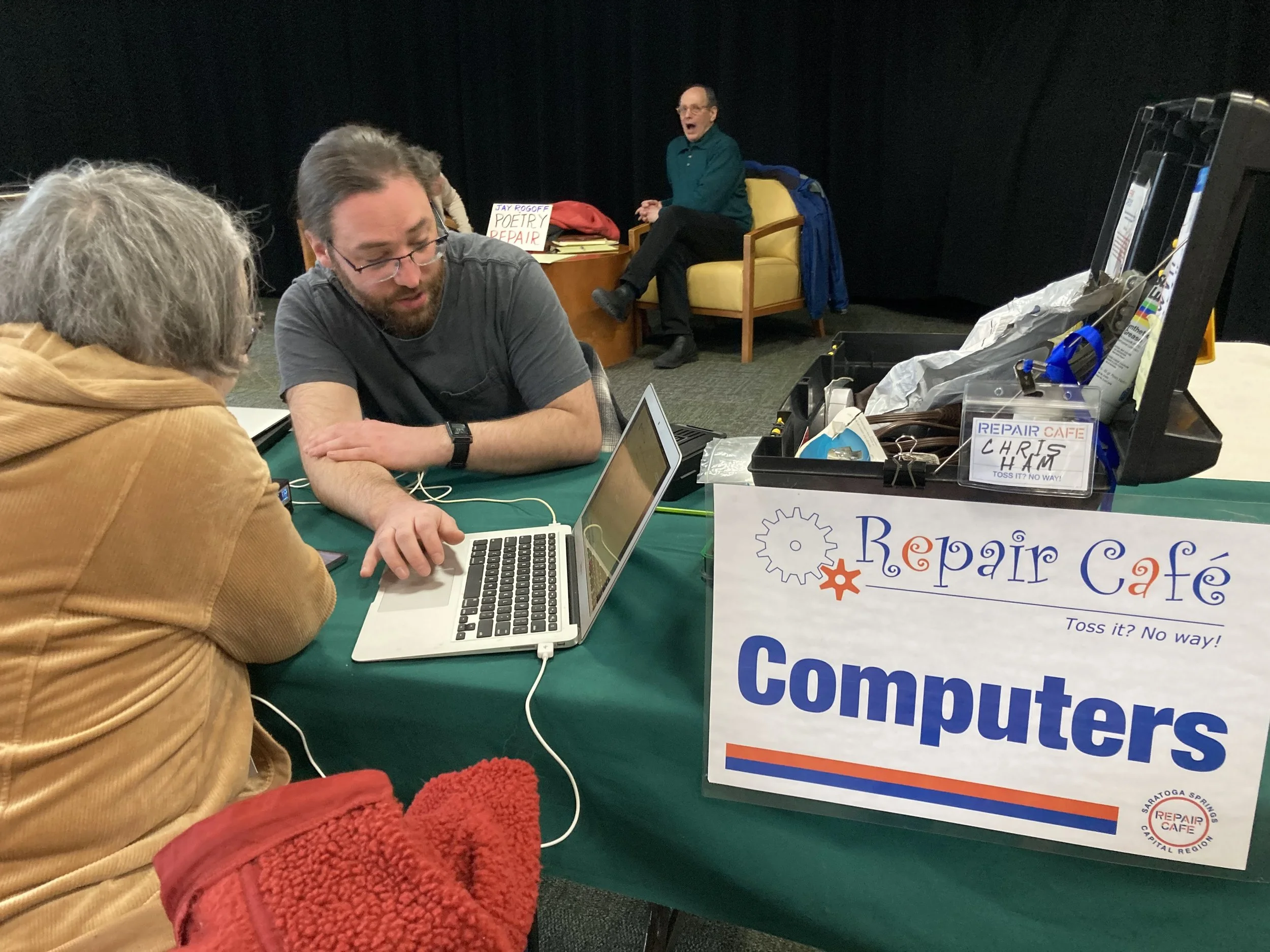
Another standout initiative is the library’s longstanding Repair Cafe program, which Ferriss helped launch in 2018 in partnership with Sustainable Saratoga.
Inspired by the Repair Cafe movement that began in the Netherlands, the program invites community members to bring broken household items and work alongside skilled volunteers to repair them.
Over 17 Repair Cafes, volunteers have repaired lamps, vacuum cleaners, CD and DVD players, clothing, jewelry, leather goods, bags, belts, shoes, and computers. The program boasts an impressive 89% repair rate.
“There are always new people walking in,” Ferriss shared.
While the environmental impact is significant—keeping usable items out of landfills—the program’s deeper value lies in the community connections it creates. Volunteers share knowledge, neighbors collaborate, and participants leave not only with repaired belongings but also with new skills and relationships.
The Saratoga Springs effort is now part of one of the largest concentrations of Repair Cafes outside Europe.
Expanding Accessibility and Neurodiversity Support
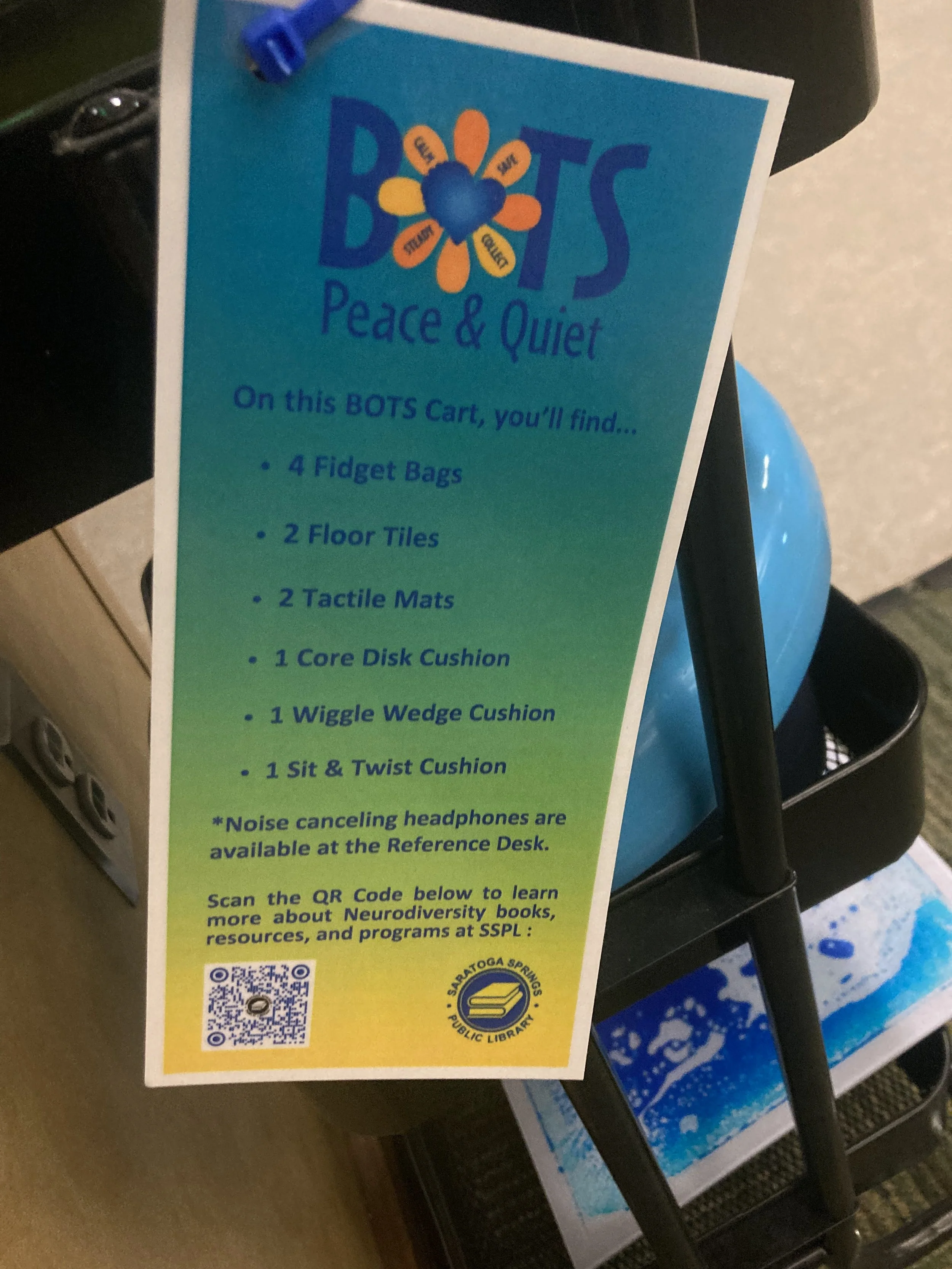
Accessibility has also become a growing focus for the library.
Through a partnership with Empire State University and its Center for Autism Advocacy Research Education and Support (CAARES), the library developed an award-winning neurodiversity club that provides ongoing community-building opportunities for adults with developmental disabilities.
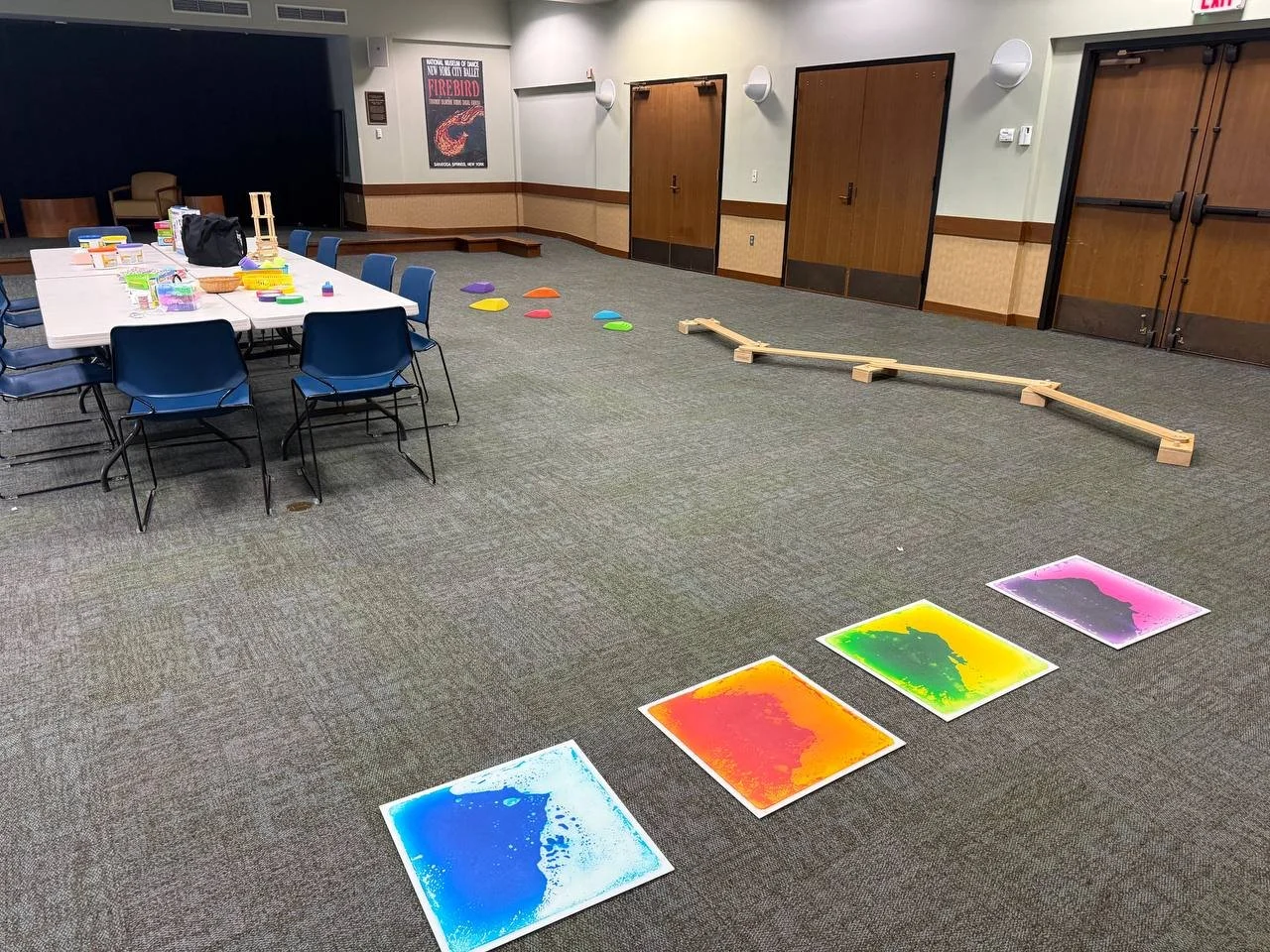
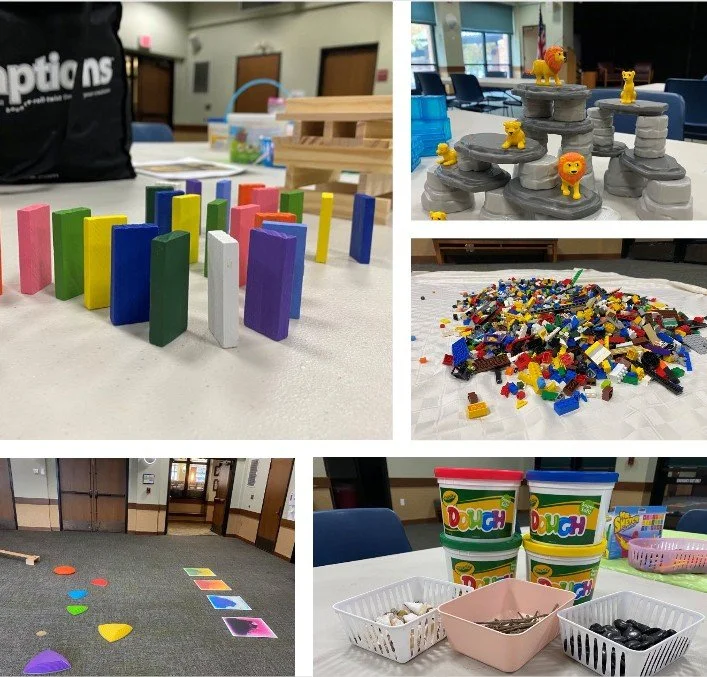
The library also hosts monthly drop-in crafting sessions in quieter spaces during school hours and offers sensory tools to support patrons with varying sensory needs.
More recently, the library began including detailed sensory information in program descriptions so patrons can better understand what to expect before attending. Descriptions may note factors such as lighting, sound levels, and whether participants are welcome to leave early if needed.
These changes may seem small, but collectively they help more people feel comfortable and included in library spaces.
Looking Ahead
As the library continues implementing its strategic vision, staff are now studying how patrons use spaces differently in the post-pandemic world.
The library is conducting an in-house space utilization study to better understand emerging needs and guide future improvements. Current discussions include creating more private spaces for one-on-one meetings, updating the history room with compact shelving for safer archival storage, and reimagining how public spaces function for today’s users.
Ferriss hopes many of these ideas will become reality within the next five years.
Underlying all of these initiatives is a common thread: the library’s willingness to evolve alongside its community while staying grounded in access, inclusion, and human connection.
Whether through harm reduction, sustainability, accessibility, or flexible public space design, the Saratoga Springs Public Library continues demonstrating how libraries can serve as responsive, compassionate anchors for their communities.
