Seeing Possibilities: How Strategic Planning Helped New Providence Memorial Library Reimagine Its Future
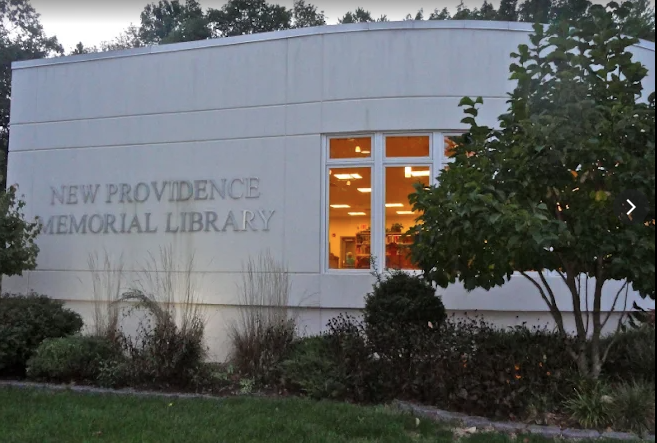
For many libraries, strategic planning is about setting goals and identifying priorities. For the staff at New Providence Memorial Library in New Jersey, the process became something more: a roadmap for transforming both their space and their vision for the future.
Serving a community of approximately 13,600 residents just 45 minutes east of Manhattan, New Providence Memorial Library has long been a valued community resource. But like many libraries, the facility faced challenges that had accumulated over time.
“The building was developed in phases,” said Library Director Stacey Maisch. “We have older and newer sections, aging infrastructure, and an open floor plan that makes it difficult to create distinct spaces for different activities.”
In 2022, the library partnered with ReThinking Libraries to develop a comprehensive strategic plan. The process included focus groups, community surveys, demographic analysis, and several months of community engagement designed to better understand local needs and aspirations.
At the time, Maisch was serving as the library’s teen librarian. Looking back, she sees the planning process as a turning point.
Moving Beyond Traditional Metrics
Like many strategic plans, the library’s previous plan focused heavily on measurable outputs such as circulation and visitor counts. While those metrics remain important, library leaders wanted a deeper understanding of how the library could better serve a changing community.
One key outcome of the planning process was a renewed focus on the library’s physical space.
The strategic plan confirmed what staff had long suspected: the building was limiting the library’s ability to meet community needs. The library explored a major expansion and hired engineers and architects to evaluate potential building options.
The resulting concept plans came with an estimated price tag of $10 million to $20 million.
While library leaders remain committed to that long-term vision, they recognized that meaningful improvements could begin immediately within the existing footprint.
Making the Most of What They Have
Rather than waiting years for a future expansion, the library began implementing changes that could have an immediate impact.
A space audit helped staff rethink how existing areas were being used. The library weeded approximately 25,000 items from its collection, creating room for new seating and more intentional activity zones.
One of the most visible improvements happened outside the building.
For decades, visitors navigated a single-lane driveway that served as both the entrance and exit to the property. Recognizing the safety concerns, the library worked with engineers and local officials to redesign the traffic flow.
The result was a new one-way driveway and drive-up book return.
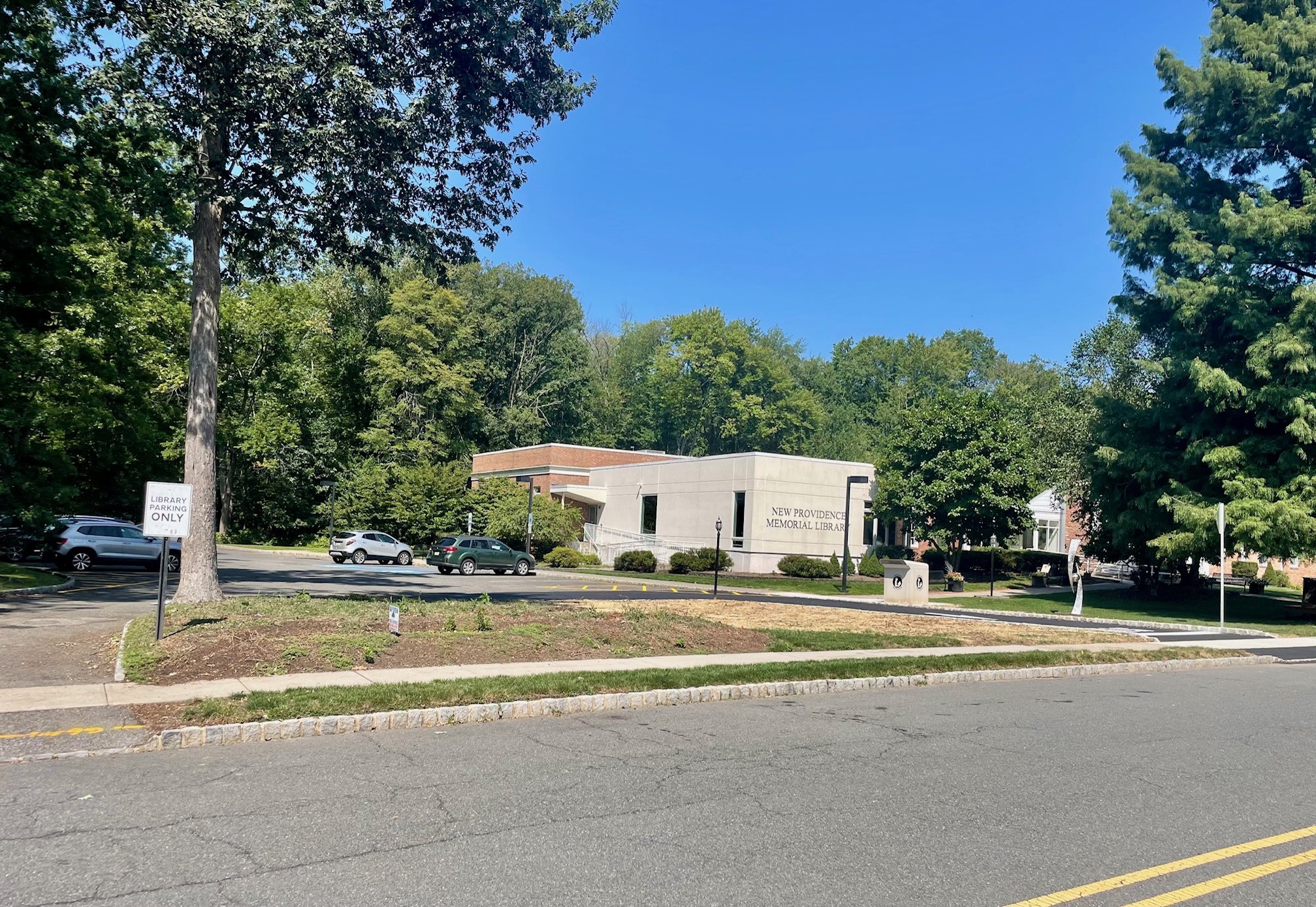
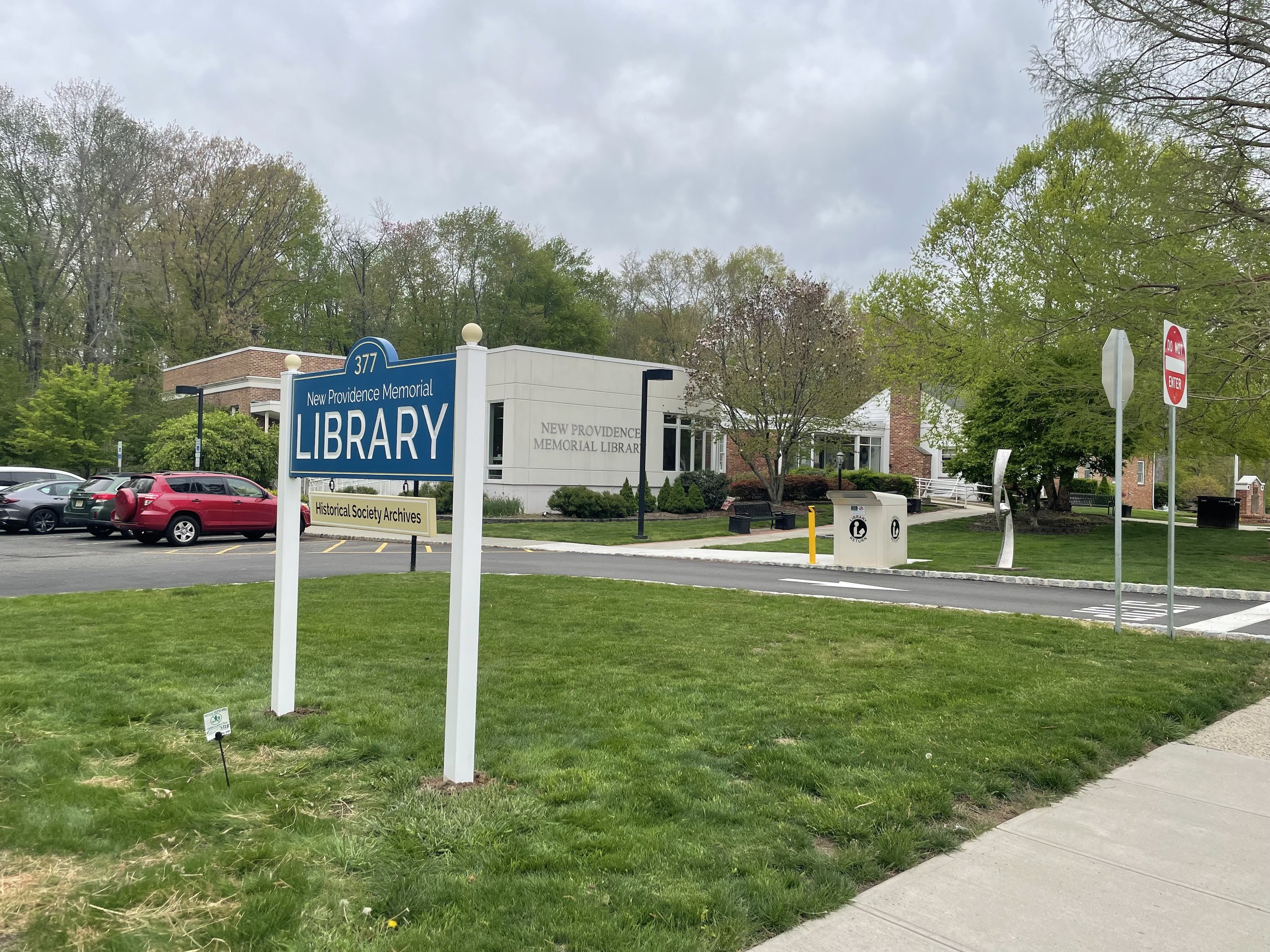
The project required engineering studies, municipal approvals, and state review, but the investment has proven worthwhile.
“That’s probably the project the public talks about the most,” said Maisch.
Importantly, the redesign was developed with future expansion plans in mind, ensuring today's improvements will support tomorrow's growth.
Creating Spaces for People
Inside the building, staff reimagined the adult and teen collections with a goal of making the library more inviting and easier to browse.
Instead of long rows of new books dominating the entrance, the library introduced round genre displays that create a more bookstore-like experience. Fiction, nonfiction, and young adult materials are displayed together around genre themes, encouraging patrons to discover titles they might not otherwise encounter.
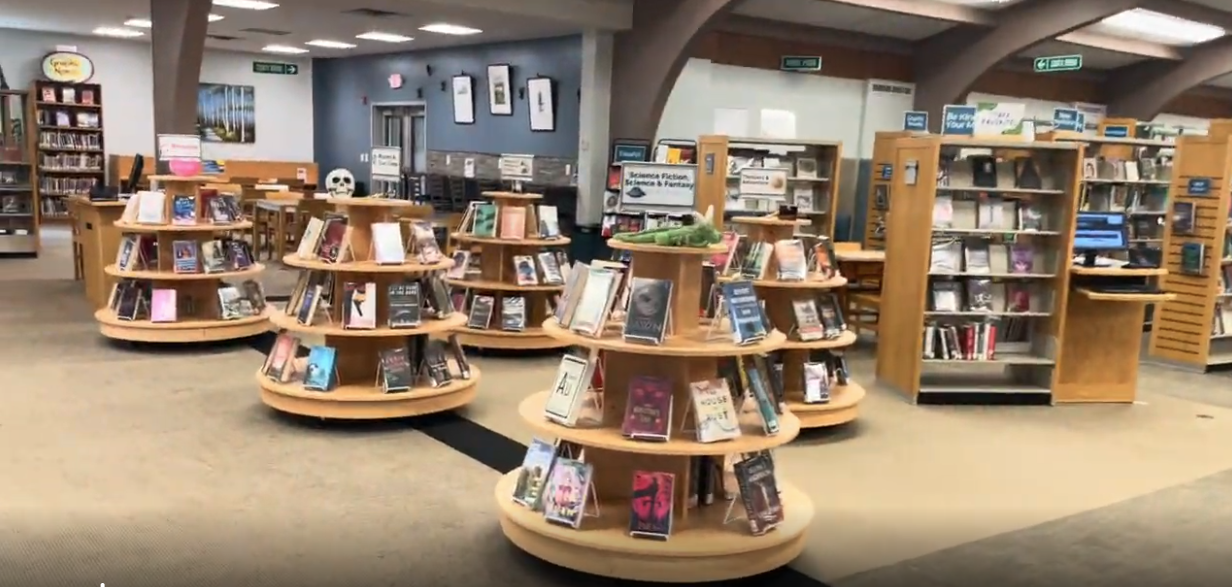
The changes cost less than $10,000 but have had a significant impact on how people use the space.
The library is now applying the same philosophy to its children's department.
Upcoming renovations in the children’s department include new carpeting, updated furniture, shorter shelving units for improved visibility, and a redesigned service desk that frees up additional seating space for families.
The shift reflects a broader trend in library design.
“Instead of creating space for collections, we need to create space for people,” Maisch explained.
Building Momentum for the Future
At the same time these physical improvements were taking shape, New Providence Memorial Library joined a regional consortium, dramatically expanding access to materials for local patrons.
Combined with the facility improvements and increased community outreach, the changes have generated renewed excitement about the library.
“We've seen increased traffic and enthusiasm from the public,” said Maisch. “People are noticing the changes.”
Looking ahead, the library is exploring the creation of a library foundation to support future capital projects, including the eventual expansion envisioned during the strategic planning process.
The Value of Strategic Planning
For Maisch, one of the greatest benefits of working with an outside consultant was gaining a clearer understanding of how the community had evolved.
The planning process helped library leaders look beyond assumptions and focus on current demographic realities, changing expectations, and emerging opportunities.
What began as a strategic planning project ultimately became a catalyst for action—helping the library improve services today while laying the groundwork for an ambitious future.
By balancing long-term vision with practical, achievable improvements, New Providence Memorial Library demonstrates how strategic planning can help libraries move confidently from ideas to impact.
