Countdown to Better Libraries: 12 Missteps to Avoid (Part 2)
Safety & Comfort
A beautiful, modern library isn’t successful unless people feel safe and comfortable using it. Yet safety and comfort are two of the most common blind spots in library design and renovation projects. Decisions made on paper — or based on aesthetics alone — can have long-term consequences for staff, users, and daily operations.
This second post in our “Countdown to Better Libraries” series focuses on four missteps related to safety, sound, lighting, and overall physical comfort — and what to do instead.
Misstep #7: Designing Open Sight Lines Without Clear Zones
What goes wrong:
Open sight lines are usually a good thing. They promote visibility, safety, and a sense of connection within the space. The misstep happens when open concept design is taken too far, eliminating natural boundaries between very different uses.
A wide-open floor plan might look great in a rendering, but in practice it can create confusion, noise issues, and safety concerns — especially when you’re trying to separate toddlers from adult study areas or active group work from quiet zones.
Smarter choice:
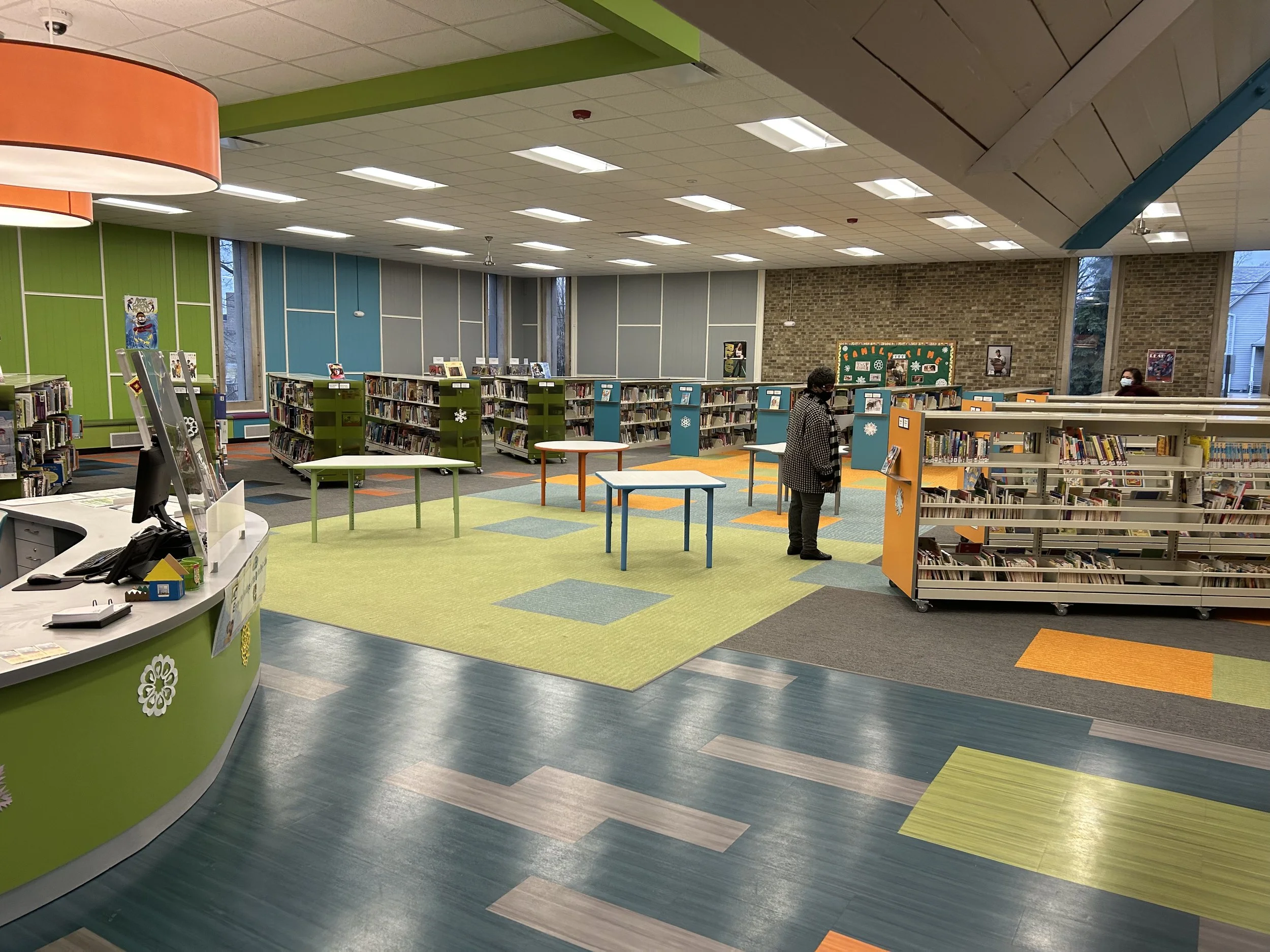
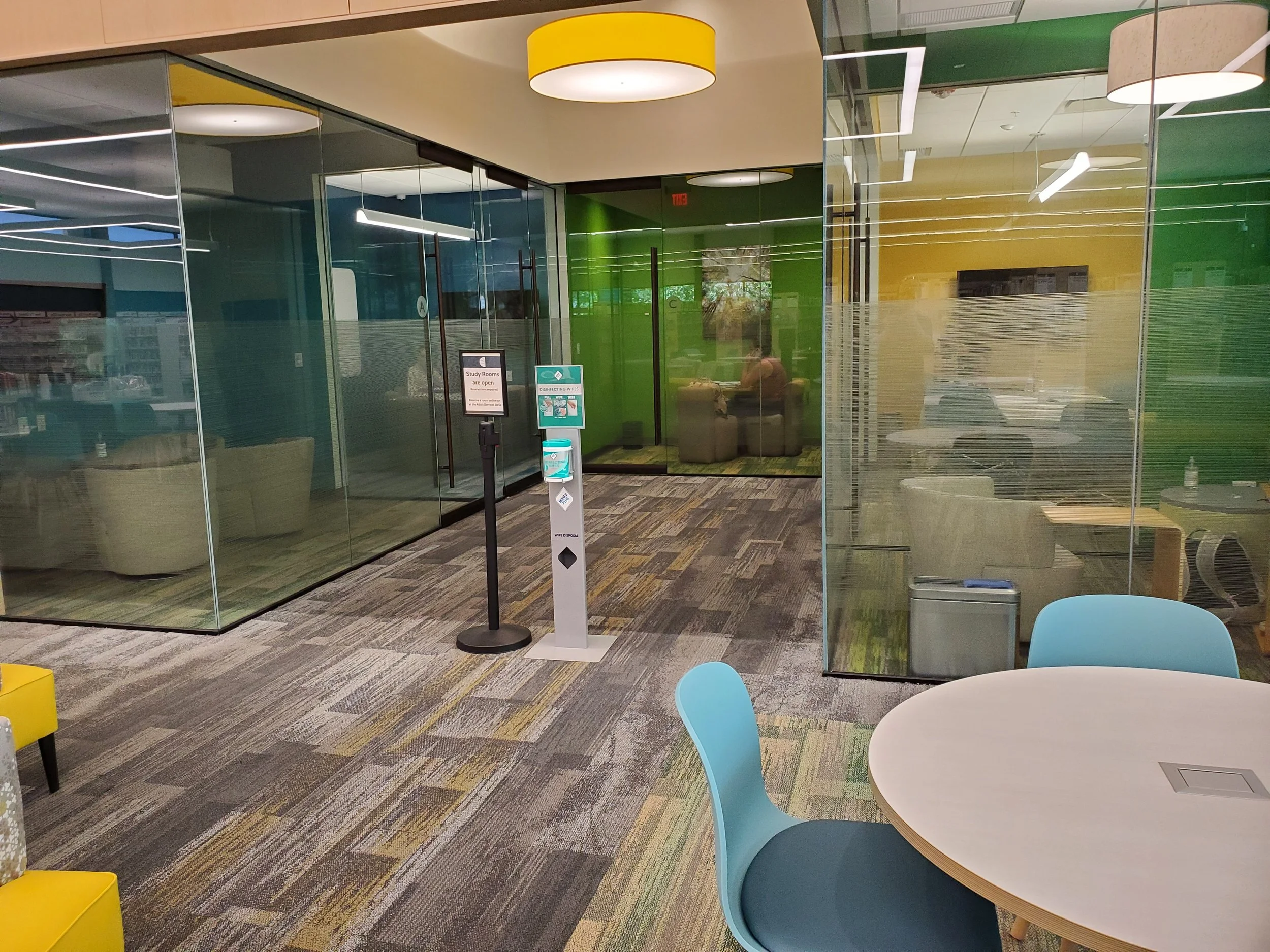
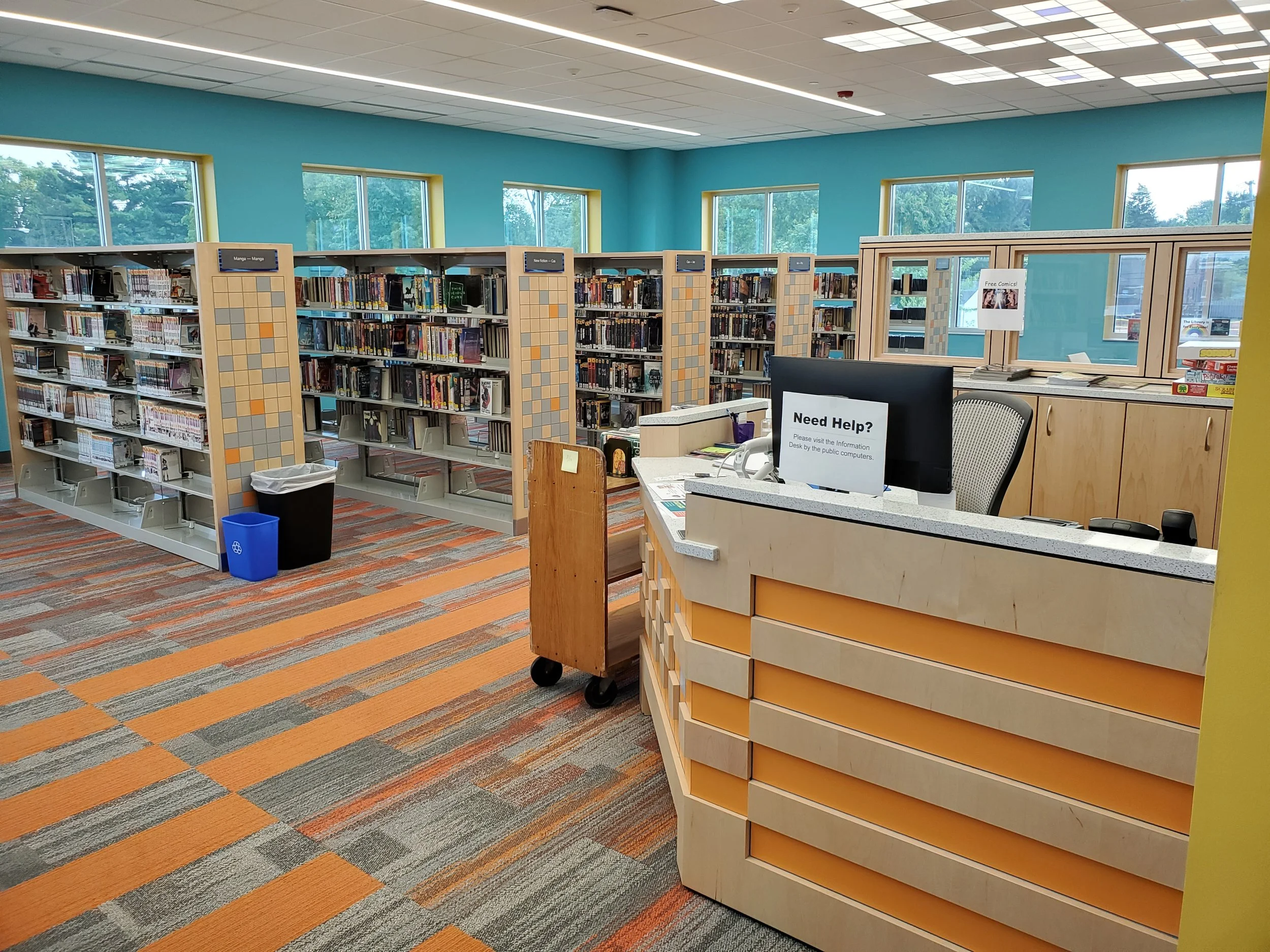
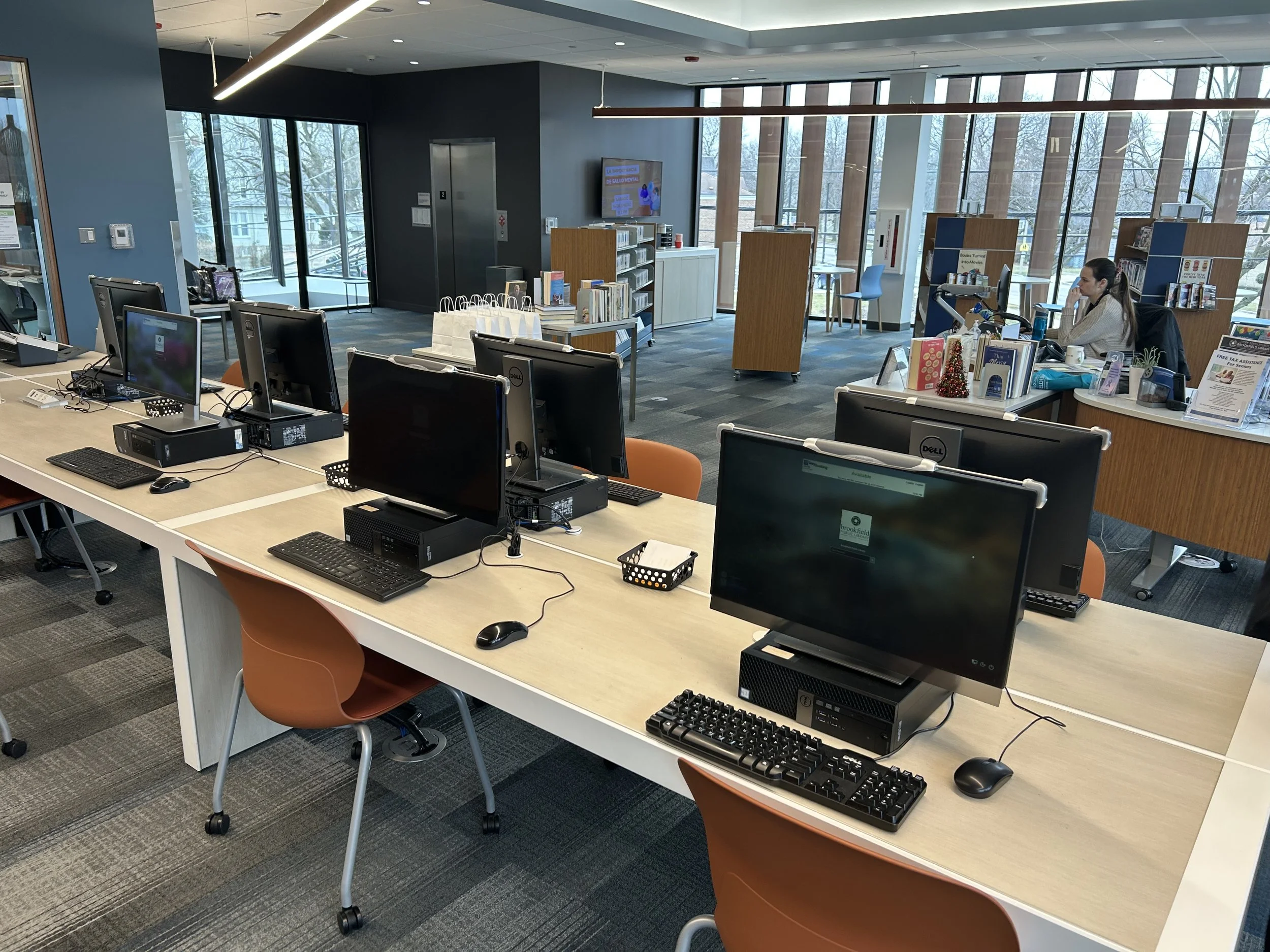
Design visibility with intention. Use furniture placement, partial walls, shelving orientation, and floor finishes to clearly define zones without blocking staff visibility. The goal is to support easy monitoring and create appropriate separation for different user needs.
Misstep #6: Underestimating Sound (or Ignoring It Entirely)
What goes wrong:
Sound is one of the top complaints in newly renovated libraries. Hard surfaces, high ceilings, and open layouts can turn everyday sounds into constant noise. This impacts not only patrons trying to concentrate but also staff who spend their entire day in the space.
Once a building is finished, retrofitting for acoustics is one of the most expensive and disruptive fixes.
Smarter choice:
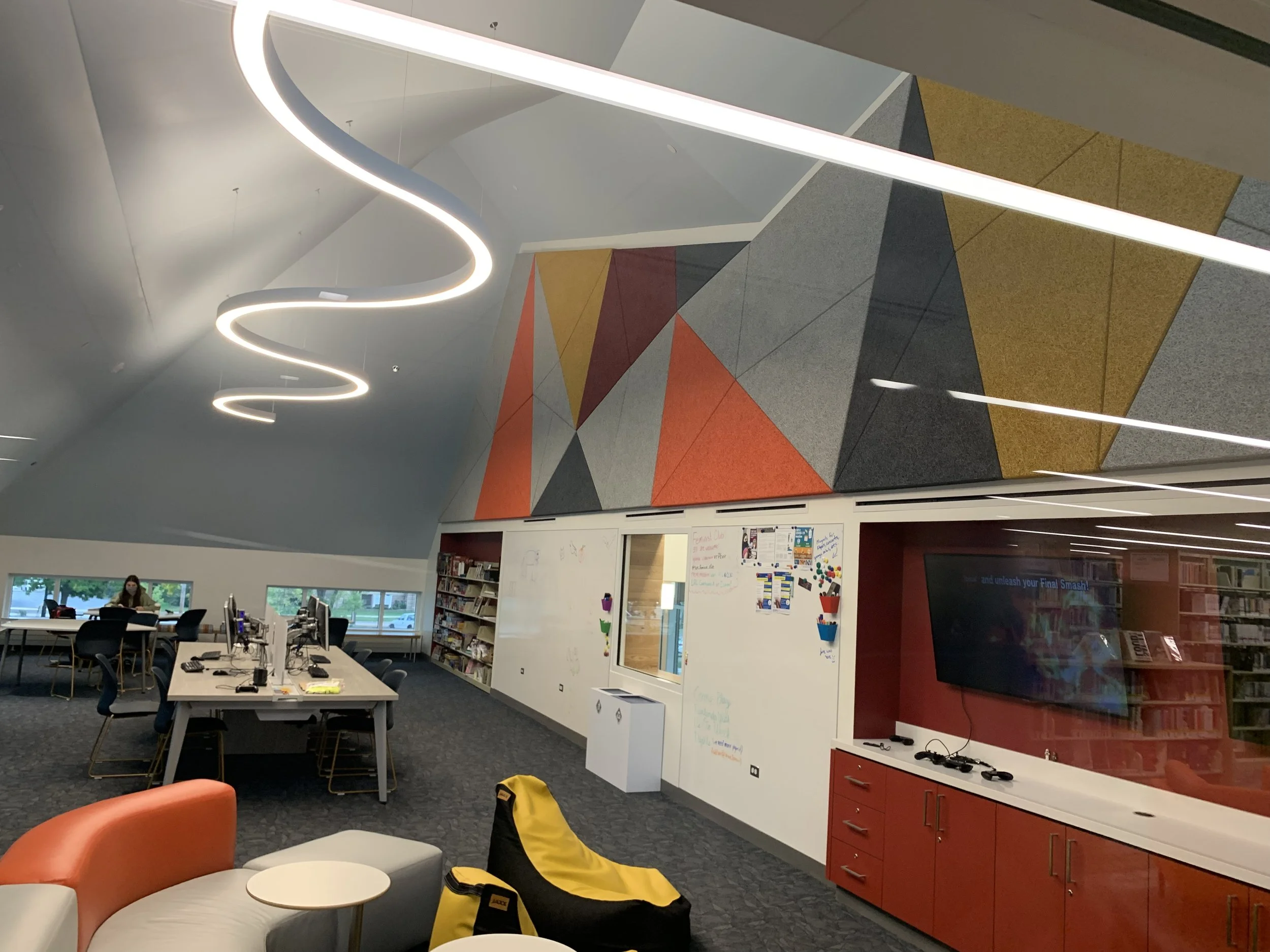
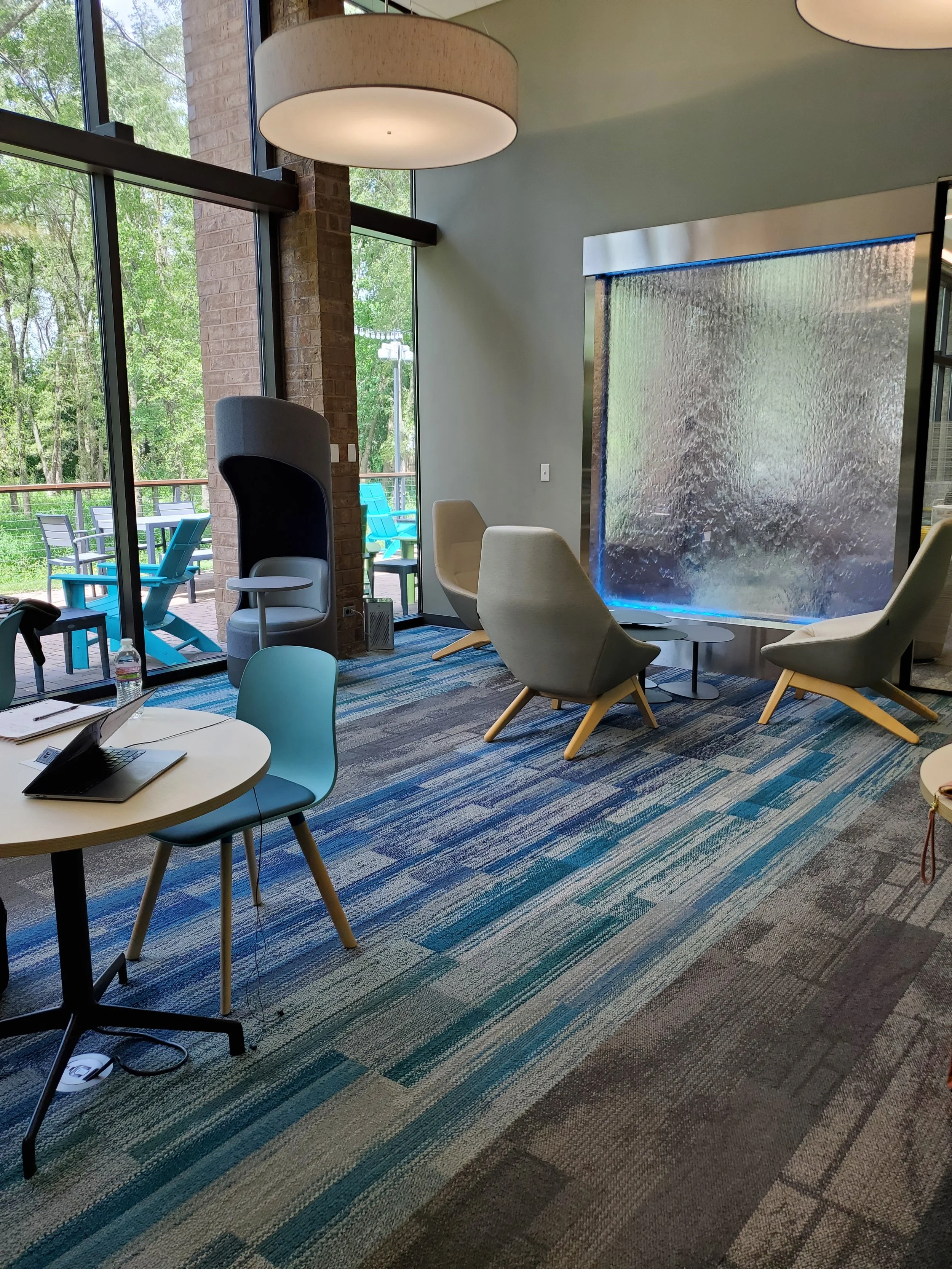
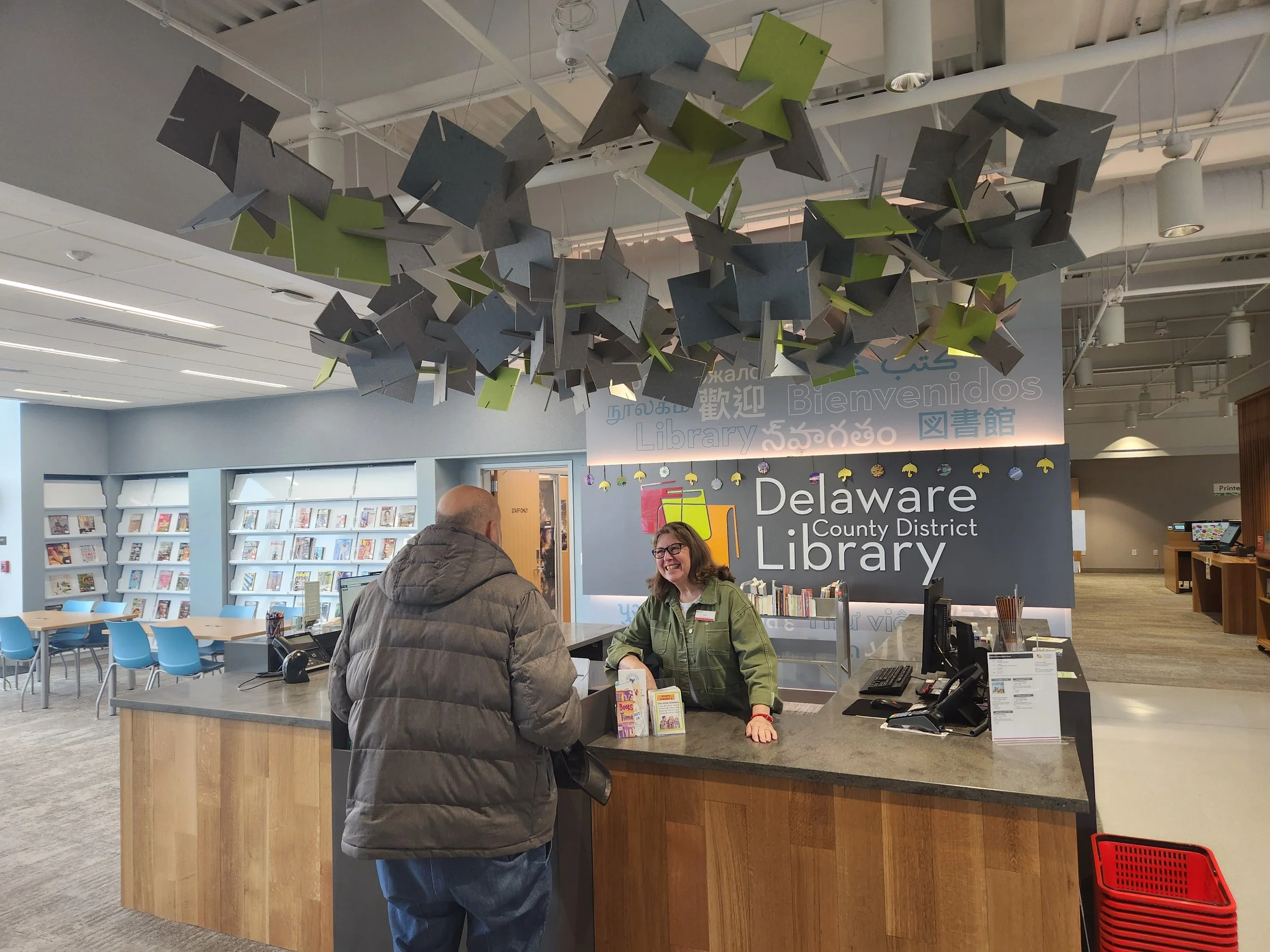
acoustic panels and soft furnishings help with sound absorption
Prioritize sound in the early planning stages. Consider acoustic panels, soft flooring in key areas, sound-dampening ceiling treatments, and materials that absorb rather than amplify. Plan noise-generating spaces — like collaborative rooms and children’s areas — strategically, rather than scattering them throughout the building.
Misstep #5: Poor Lighting Choices That Tire Everyone Out
What goes wrong:
Lighting isn’t just about brightness — it’s about comfort, visibility, and flexibility. Designs that rely on harsh overhead lights or poorly planned natural light can lead to eye strain, glare on screens, uncomfortable reading areas, and even safety risks.
Staff often feel the effects most intensely, spending long hours under lighting that wasn’t designed for real workplace conditions.
Smarter choice:
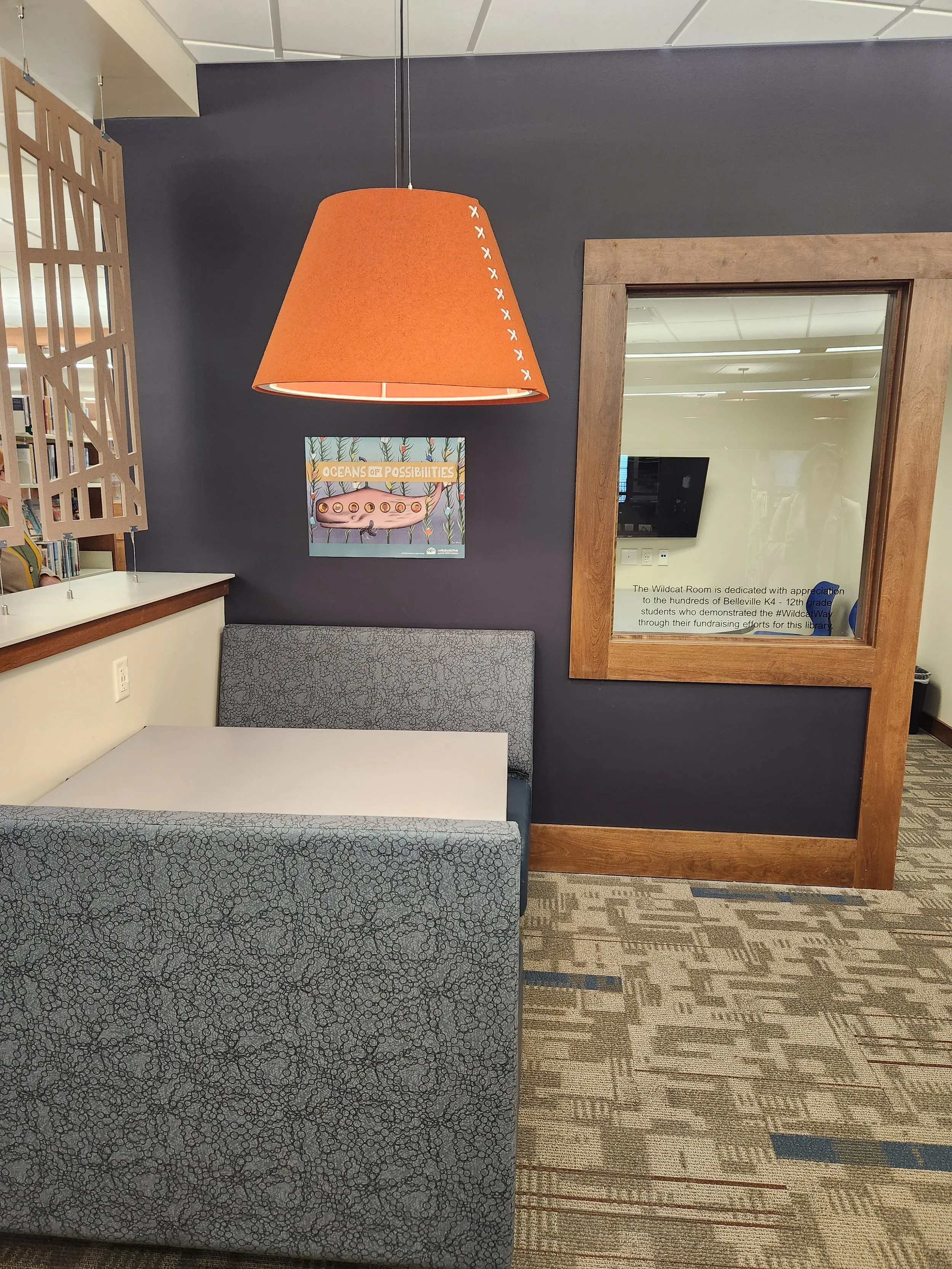
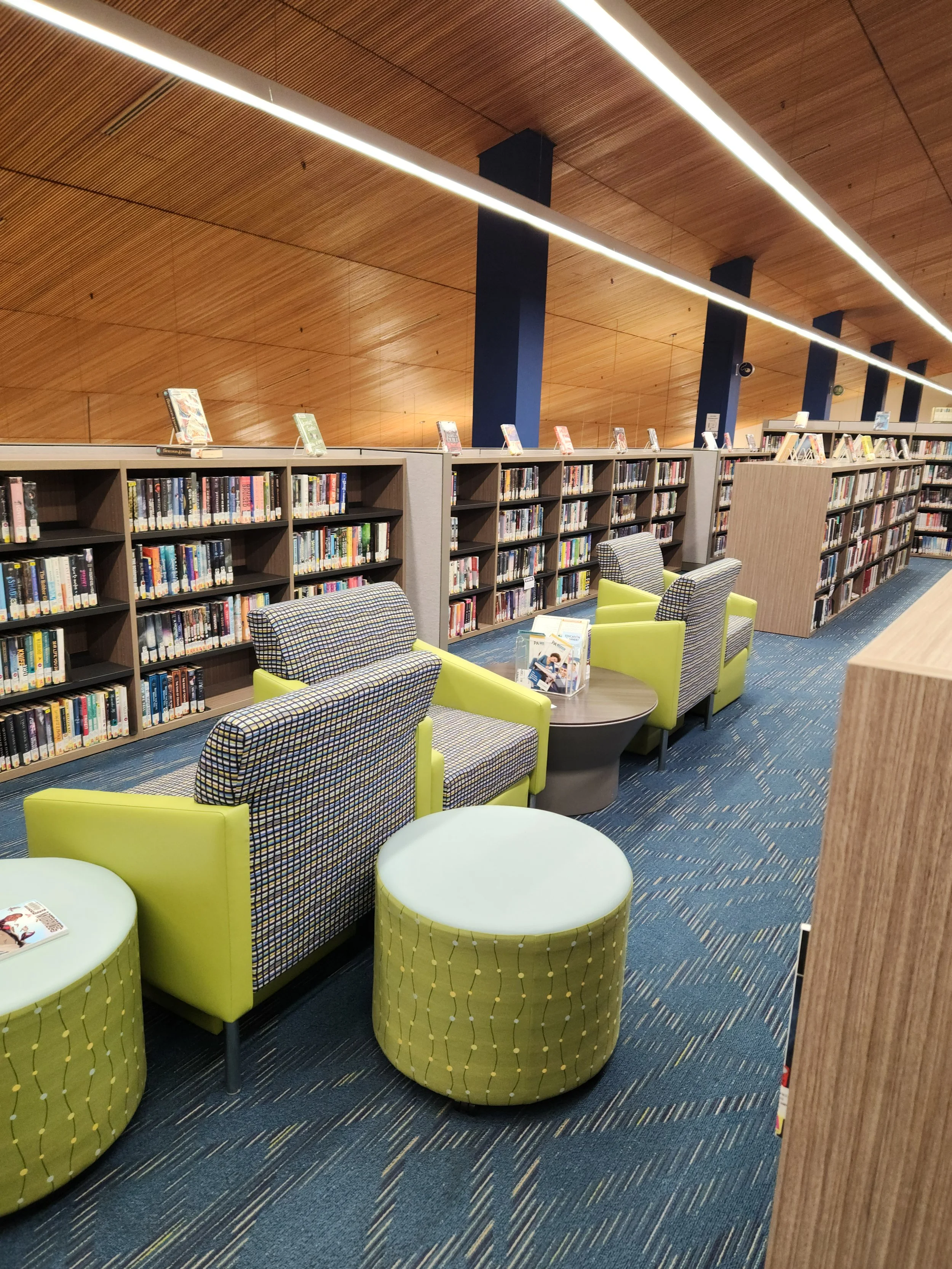
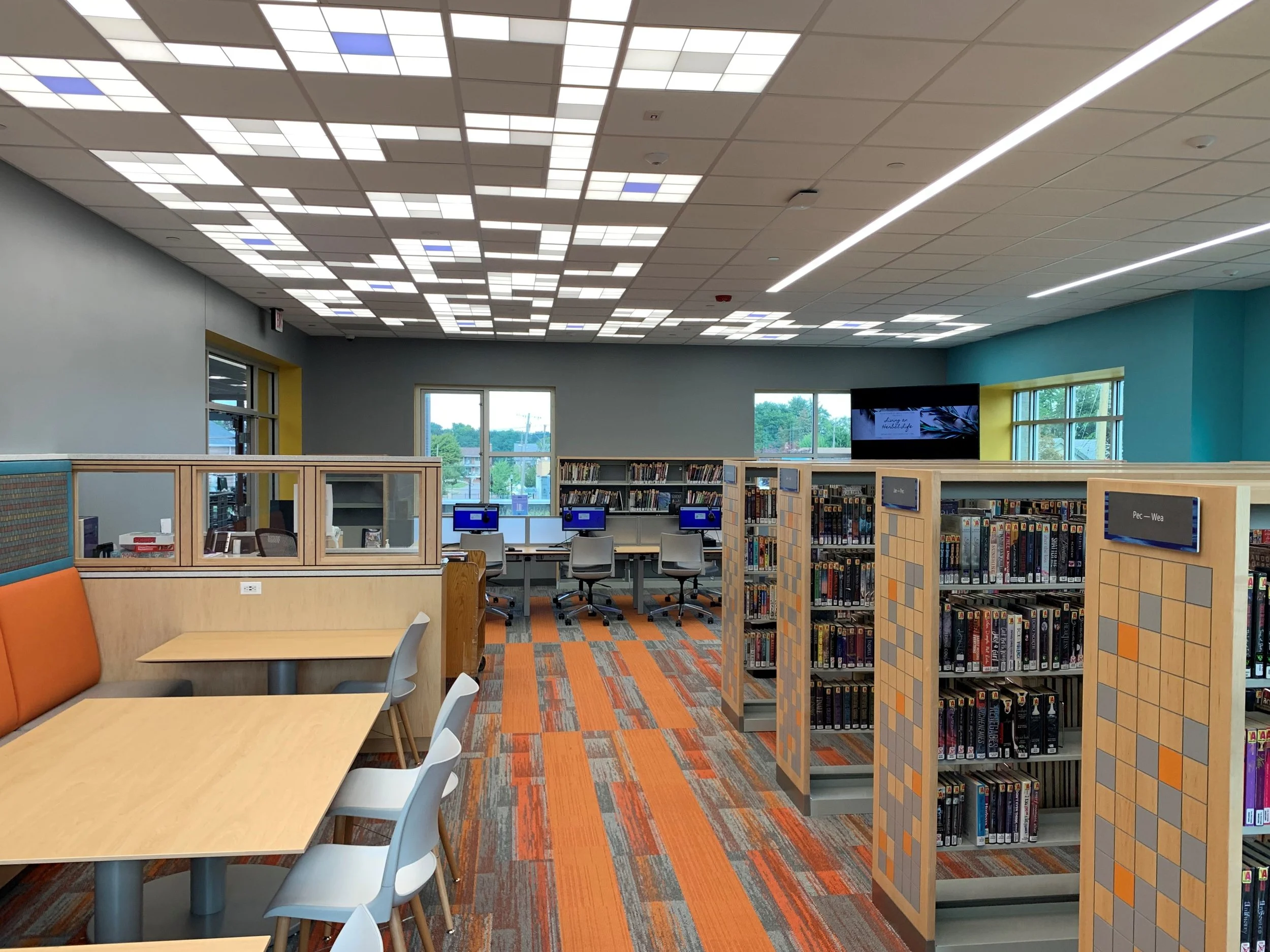
Use layered lighting: a blend of natural light, ambient lighting, task lighting, and adjustable fixtures. Think about how the light changes throughout the day. Position seating to take advantage of natural light without direct glare, and ensure workspaces are properly illuminated for detail-oriented tasks.
Bonus: Overlooking Personal & Environmental Comfort
What goes wrong:
Temperature, airflow, seating, posture, and access to rest areas all factor into how comfortable a library feels. These details tend to fall low on the priority list during construction — and then become daily frustrations once the doors open.
Too-hot meeting rooms, uncomfortable seating, and poor airflow will quickly shape how people experience (or avoid) the space.
Smarter choice:
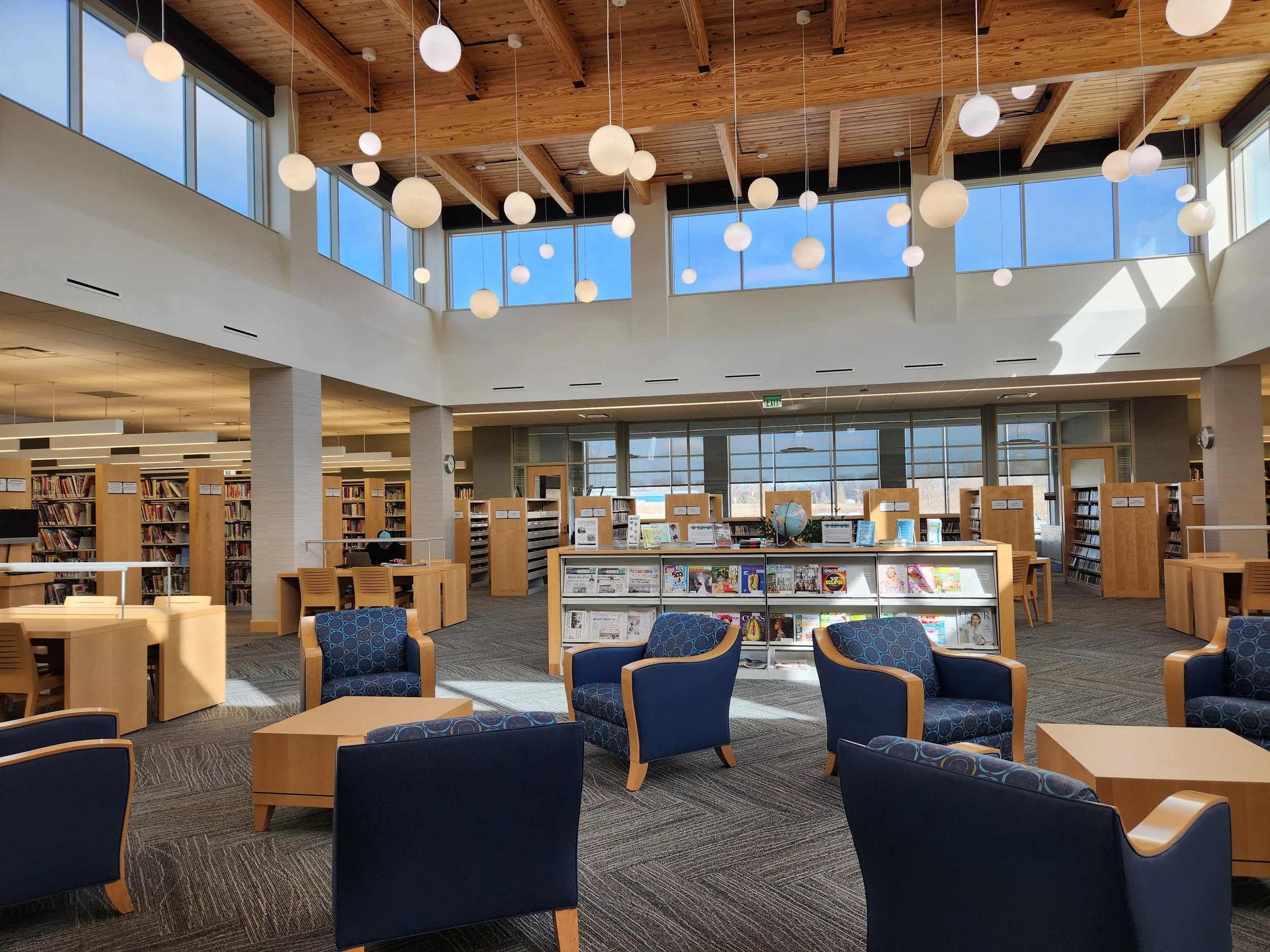
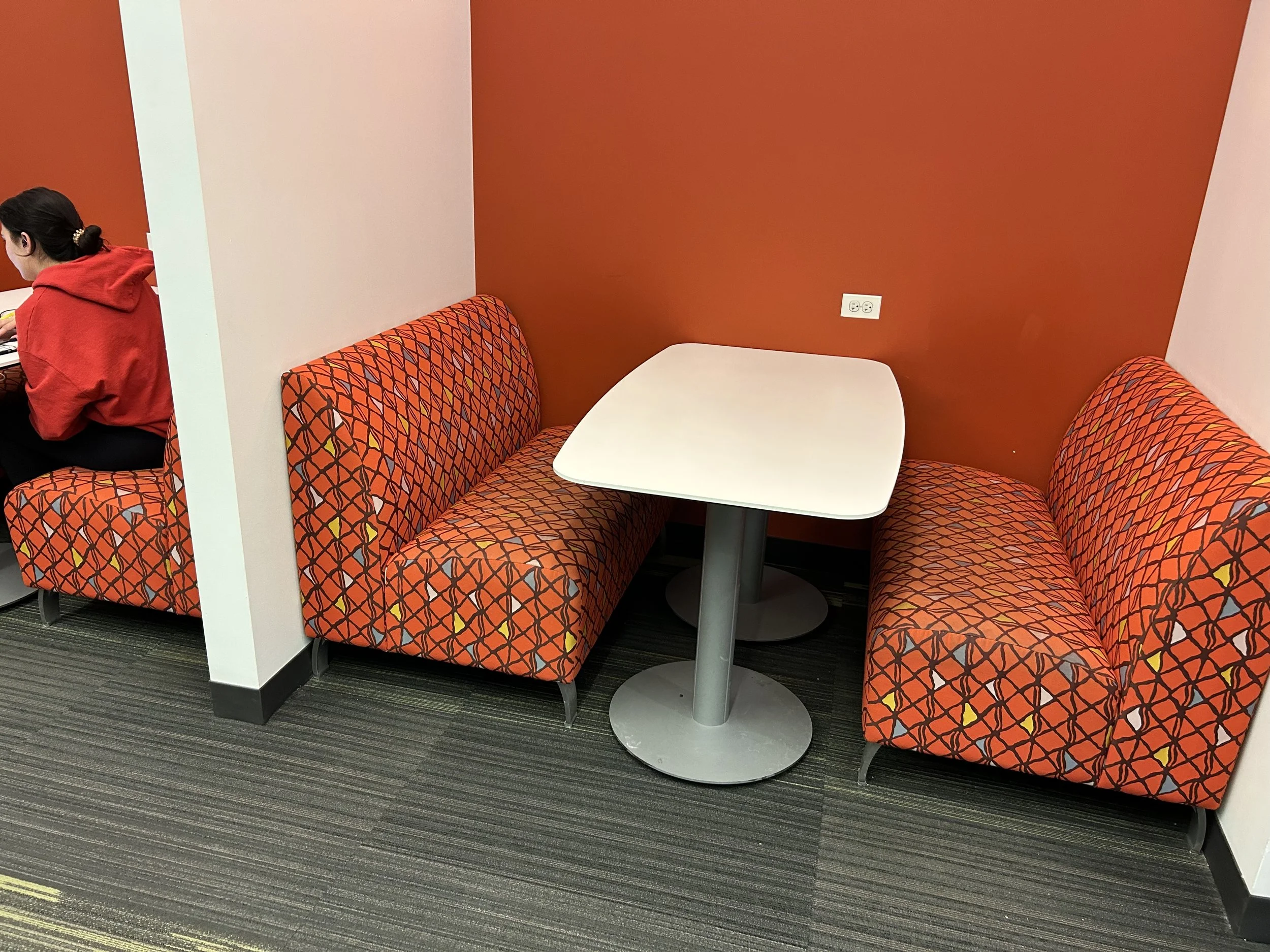
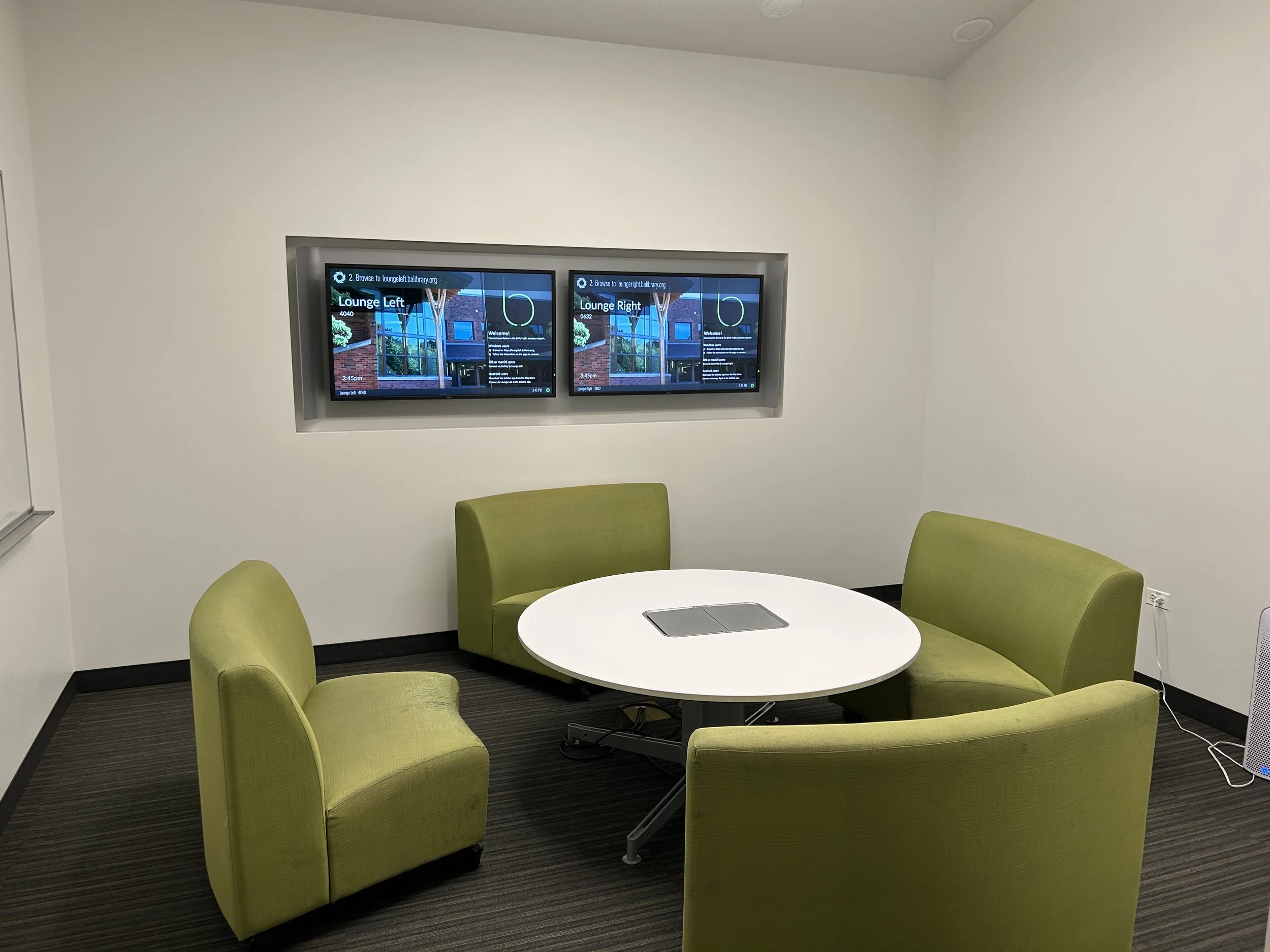
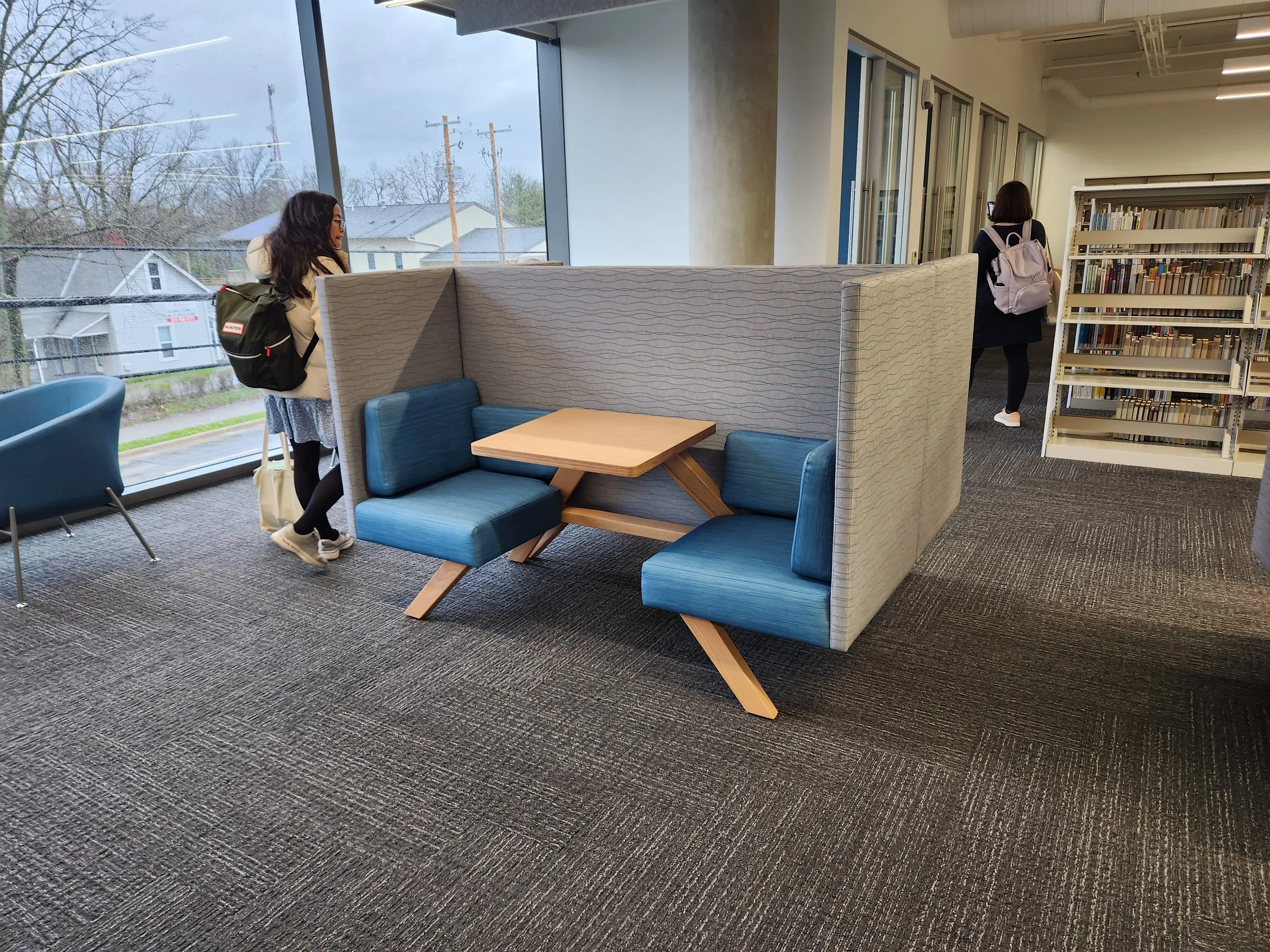
Plan for real bodies in real spaces, for long periods of time. Choose furniture that supports extended use. Account for heat and ventilation in high-density areas. Include staff respite spaces that are actually restorative. Comfort is not a luxury; it’s a critical part of usability.
Safety and Comfort Aren’t Afterthoughts — They’re Core Functions
When people feel physically comfortable and psychologically safe in a library, they stay longer, return more often, and engage more fully with the space. When they don’t, even the most beautiful renovation will fall short of its promise.
Designing for safety and comfort isn’t about overengineering. It’s about asking practical, human-centered questions early — and listening closely to staff who already understand what the building needs.
In our final post in this series, we’ll turn to the most visible — and ultimately most important — aspect of library design: the user experience and access.