Countdown to Better Libraries: 12 Missteps to Avoid (Part 1)
Infrastructure & Operations
The most expensive library mistakes aren’t the ones your patrons complain about. They’re the ones your staff quietly live with every day: the awkward workarounds, constant maintenance issues, and spaces that fight against how your library actually functions.
These missteps are often baked into a project early in the design process. Once construction begins (and certainly once the doors open), they become difficult, expensive, or impossible to fix. That’s why this first post in our series focuses on infrastructure and operations — the behind-the-scenes elements that quietly define how well your library runs.
I interviewed RTL Principals Rob Cullin and Janet Nelson about the design mistakes they see in their work with libraries. Here are common missteps to avoid, along with smart, practical choices that can save frustration for years to come.
Misstep #12: Not planning for enough power (or putting it in the wrong places)
In today’s libraries, power is just as important as shelving. Yet many new and renovated buildings still fall short when it comes to outlet placement and quantity.
What goes wrong:
Too few outlets overall
Outlets clustered only along walls
No power in flexible or future seating areas
Specialty outlets that are difficult and costly to replace
Smarter choices:
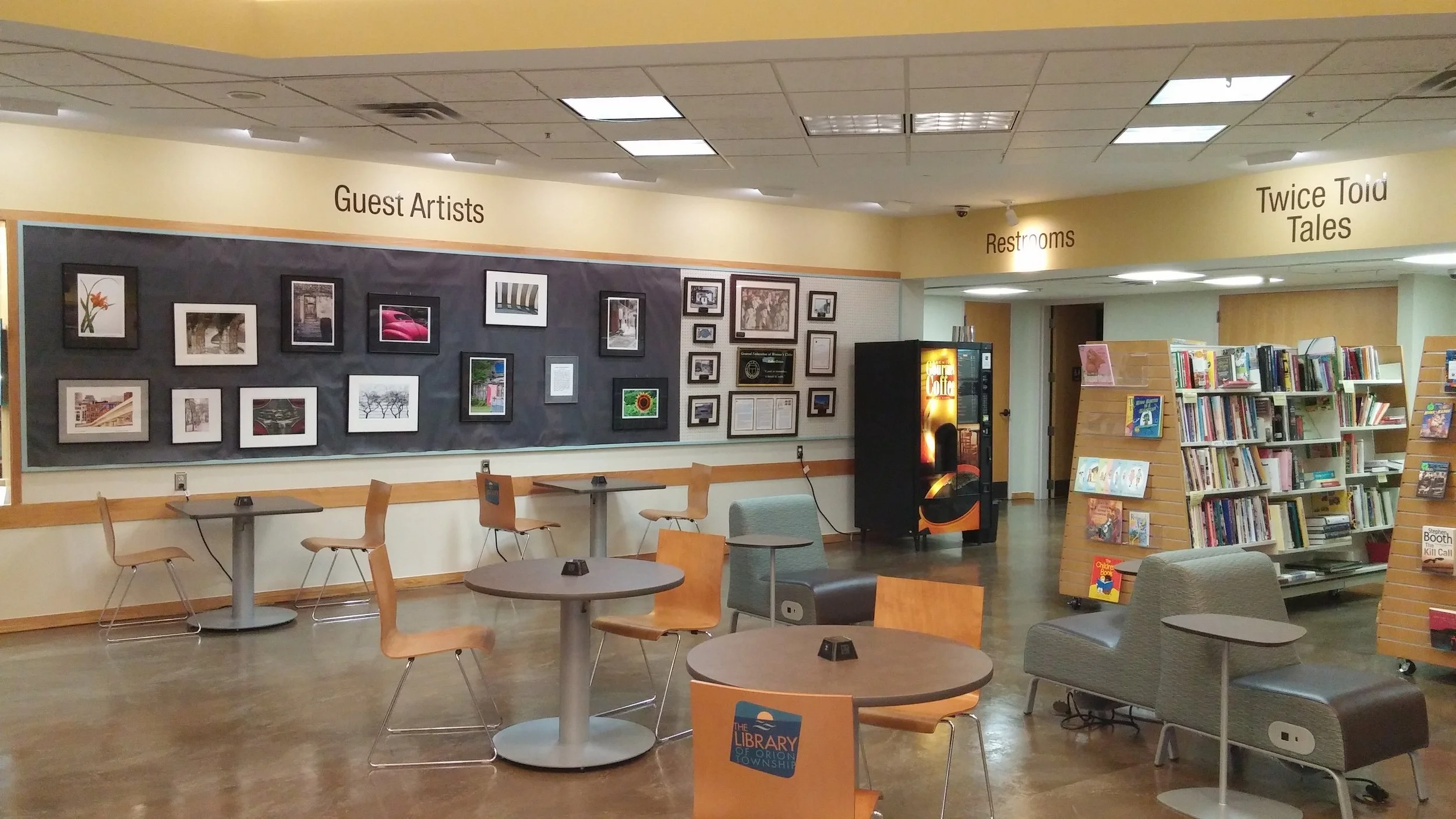

Assume every seat is a potential device-charging station
Add outlets anywhere people may sit — now or in the future
Install floor boxes in larger rooms and some mid-sized rooms (especially those without ceiling-mounted projectors)
In high-use areas, install outlets that are easy to access and replace
Avoid unique or proprietary outlet types if possible (or purchase extras in advance)
Think not only about your current layout but about where seating may be added later as physical collections shrink. Planning for flexibility now protects you from costly retrofits later.
Misstep #11: Skipping sinks and appliances to “save space”
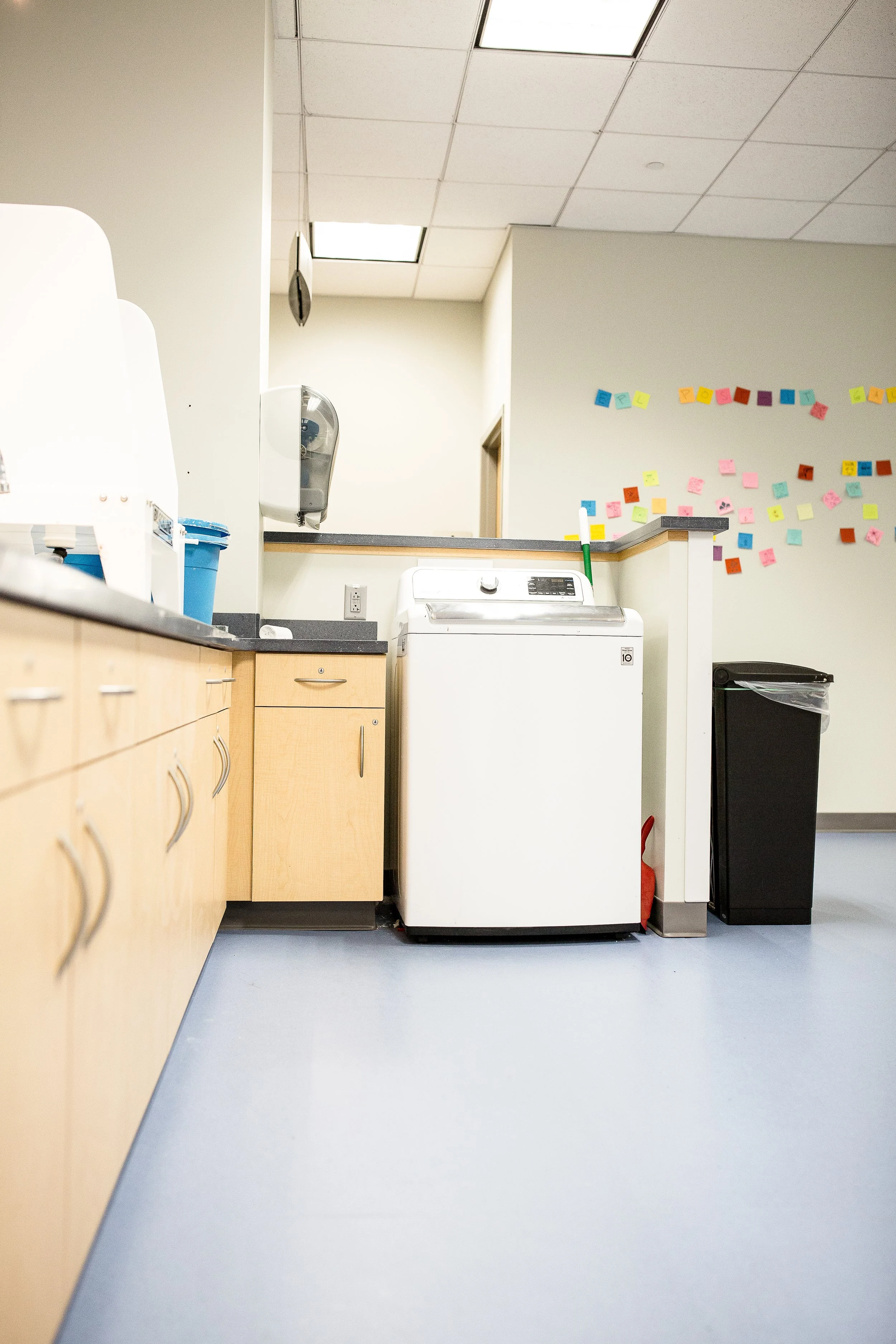
Sinks, dishwashers, washers, and dryers often get cut from plans in an effort to preserve square footage or reduce costs. In reality, these elements are heavily used — and deeply missed when they aren’t there.
What goes wrong:
Program cleanup becomes inefficient and disruptive
Toys and hands-on materials can’t be properly sanitized
Staff are forced to use inappropriate sinks or leave the building to do basic tasks
Smarter choices:
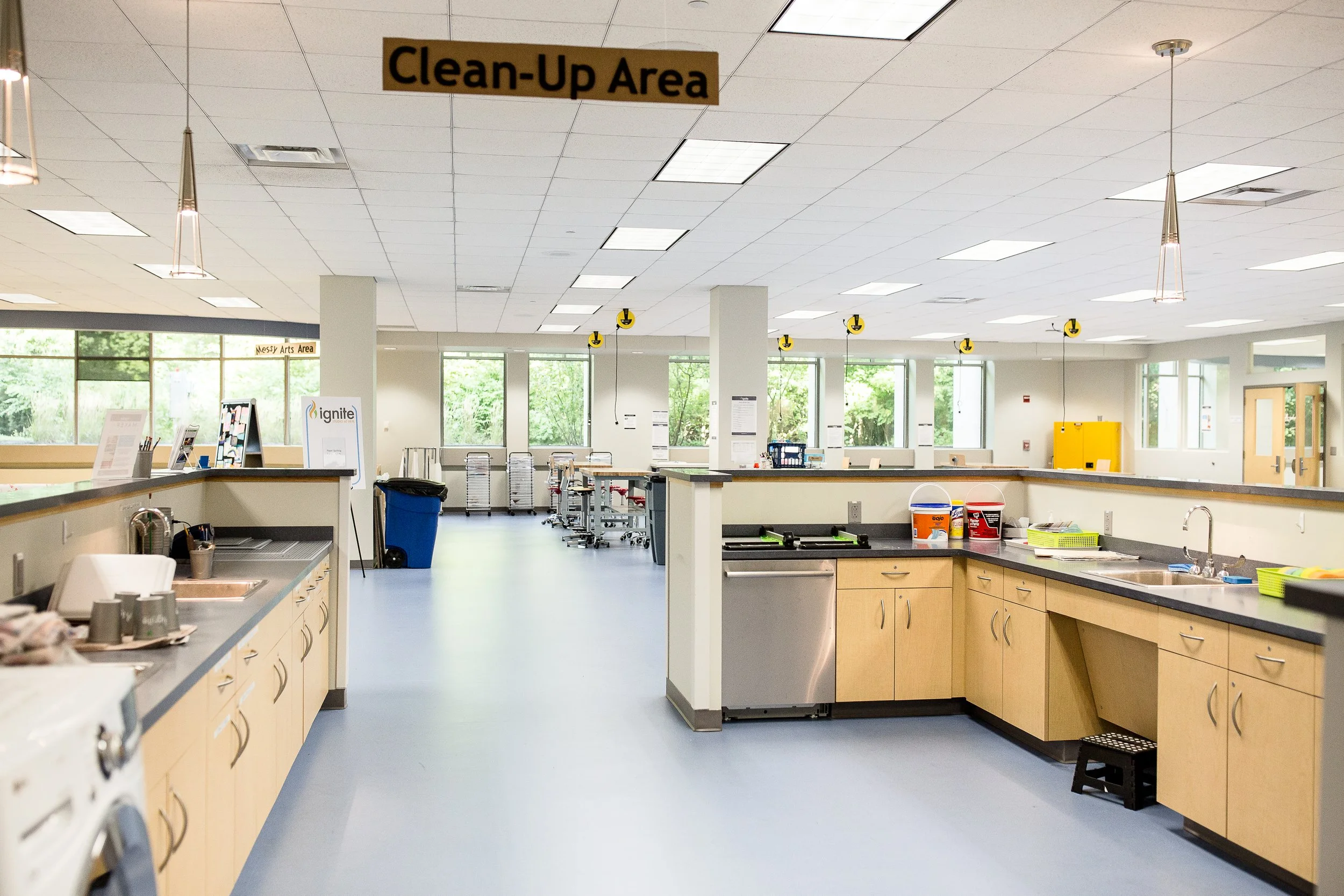
Include sinks in all large meeting rooms (and even board-size rooms when possible)
Add a sink and small counter near outdoor play or program areas
Install a dishwasher in large meeting rooms and staff break rooms
Place a washer and dryer (or combo unit) near youth services or primary programming spaces
Your program team will absolutely use these features — and your ability to support safe, engaging, hands-on experiences will improve dramatically as a result.
Misstep #10: Choosing makerspace equipment without a clear purpose
Many libraries feel pressure to add “makerspace” elements — but too often the space is designed before the mission is defined.
What goes wrong:
Equipment doesn’t match community interests or workforce goals
Expensive tools are underused
Infrastructure (venting, drainage, power) isn’t considered early enough
Smarter choices:
Start by understanding actual community needs and interests
Coordinate with local schools, workforce programs, and small businesses
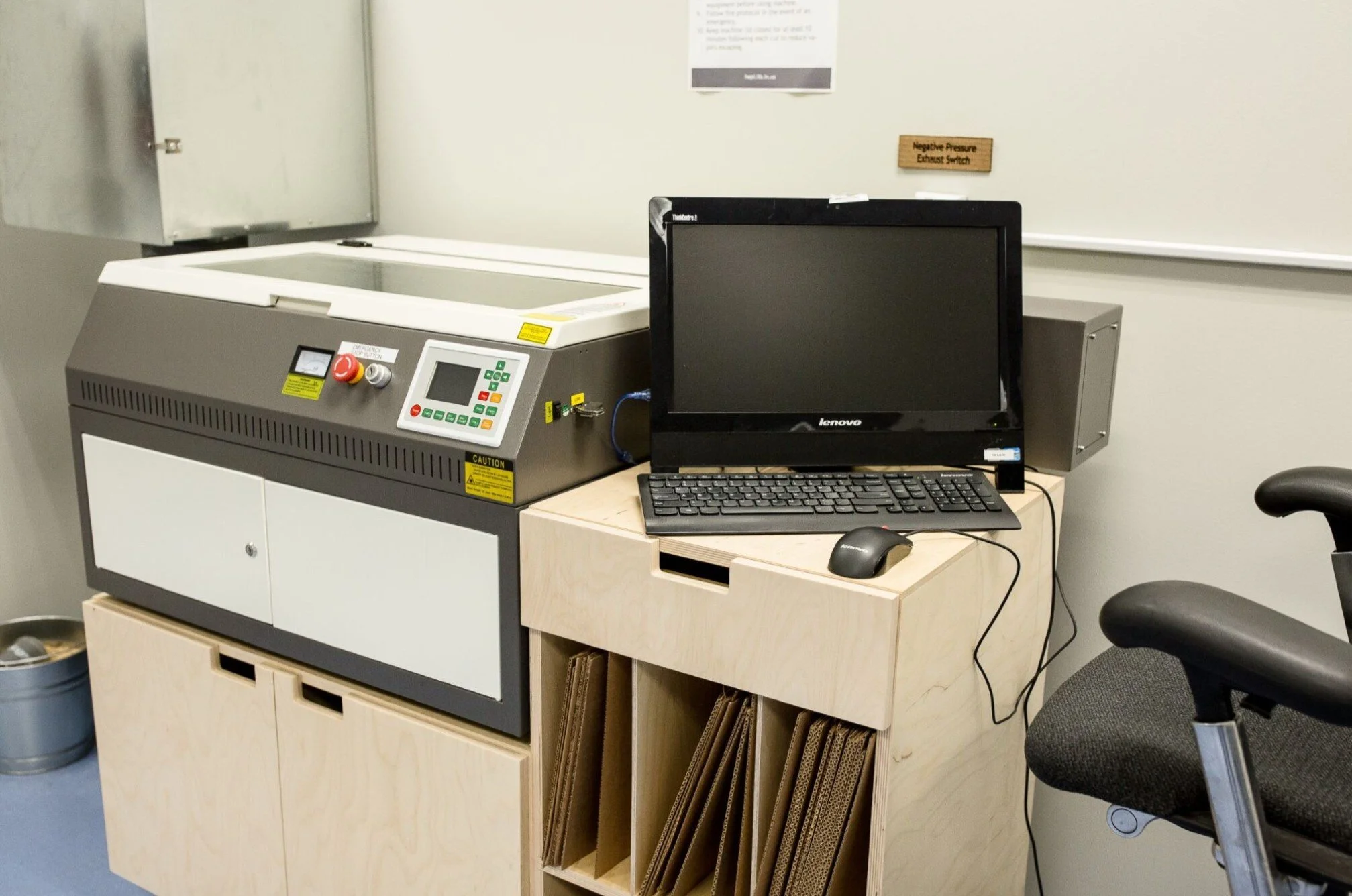
Recognize that laser cutters and engravers tend to see more consistent, meaningful use than 3D printers
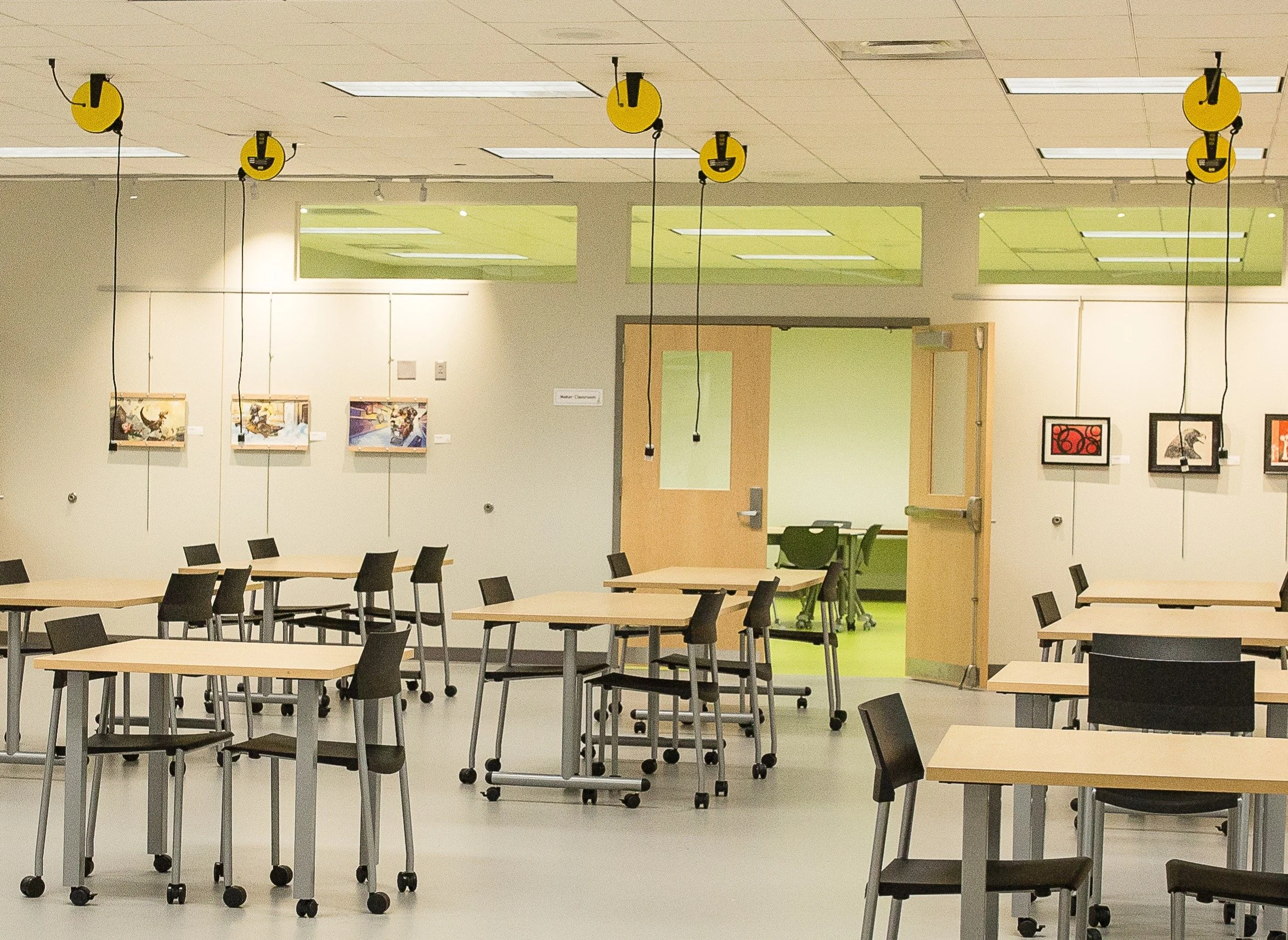
Plan early for venting, filtration, and ceiling-mounted power drops
Install appropriate art-room drain traps (standard sink traps are not enough)
Even if you don’t have a dedicated makerspace room, carts and locked storage can allow the programming to move where it’s needed — without sacrificing quality or safety.
Misstep #9: Treating storage as leftover space
Nearly every library underestimates how much storage it truly needs. When that happens, closets overflow, furniture gets stacked in inappropriate areas, and staff efficiency suffers.
What goes wrong:
Too little storage overall
Storage areas that don’t match actual use
No flexibility for new service models or collections
Smarter choices:
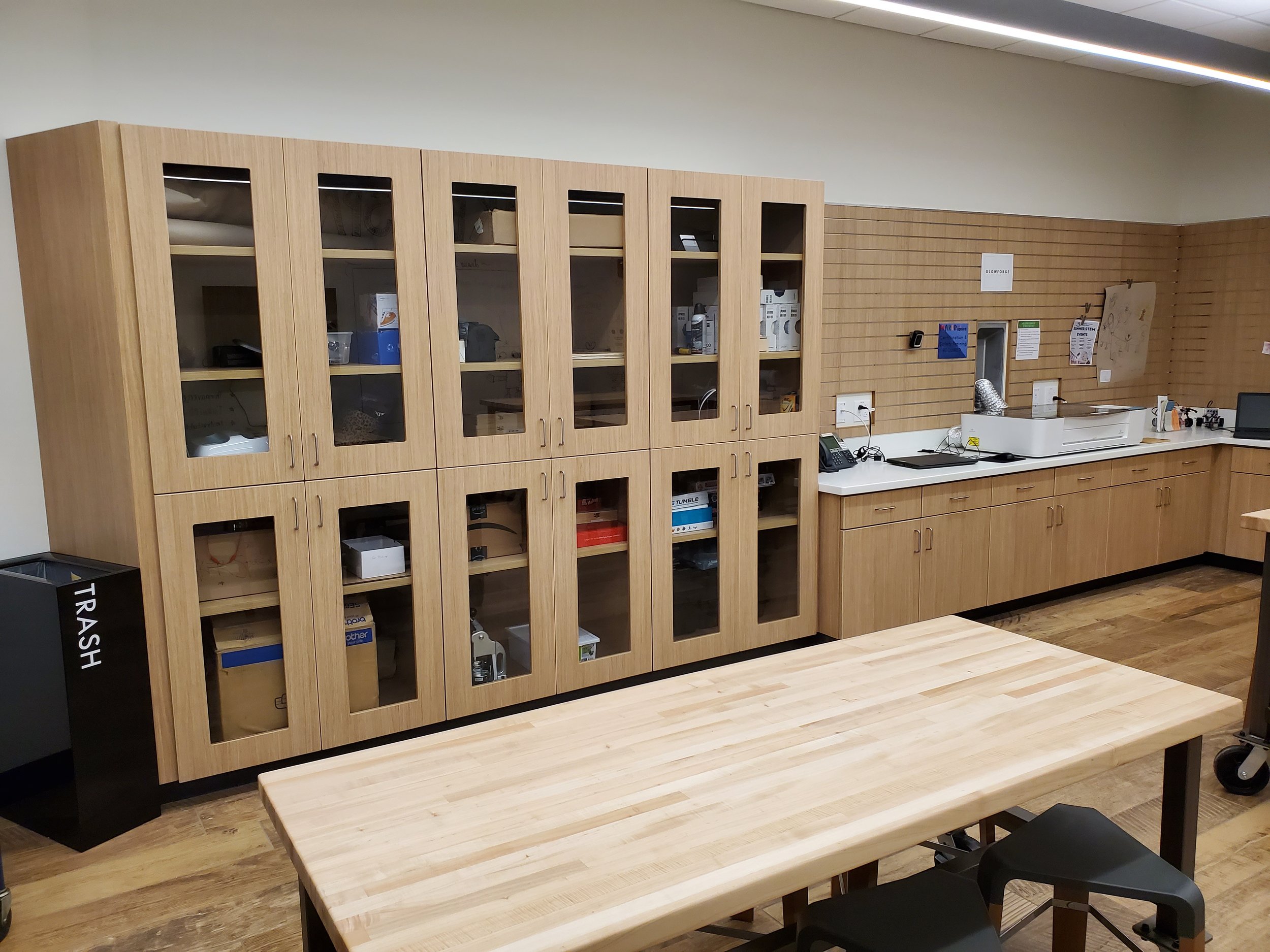
Plan for multiple storage areas located near the spaces they serve (youth, makerspace, meeting rooms, etc.)
Include lockable storage where proximity matters
Create flexible storage for evolving services like a Library of Things
Design with both materials and furniture in mind
Support organization, not just square footage
Thoughtful storage planning keeps spaces safer, more functional, and more adaptable over time.
Misstep #8: Making decisions about drop boxes and service windows too late
Exterior and interior return options (and especially drive-up windows) have a major impact on site design, traffic flow, staffing, and safety. Too often, they’re considered at the very end of the planning phase.
What goes wrong:
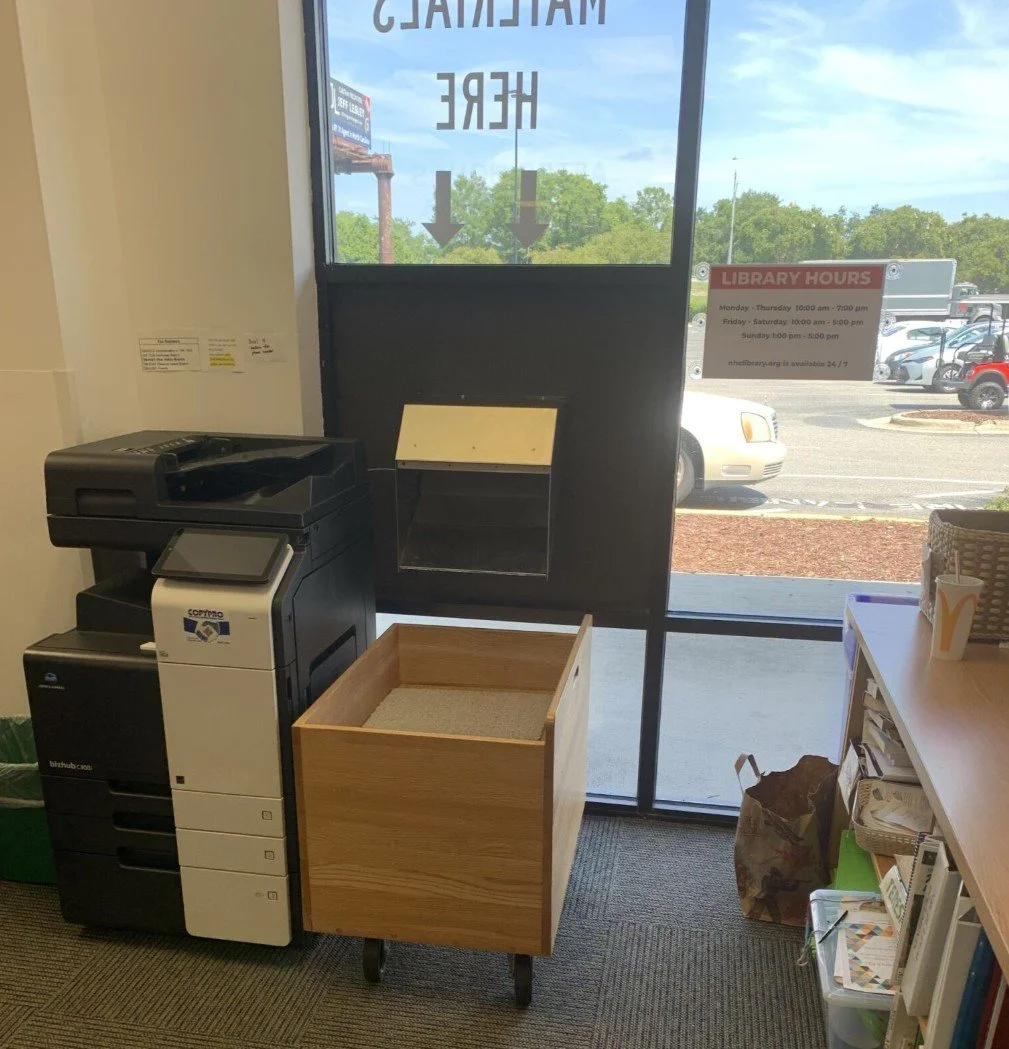
return bin is too small for holidays or long weekends
Drop boxes placed in inconvenient or confusing locations
Back-of-house workflow becomes inefficient
Drive-up windows create site plan challenges that could have been avoided
Smarter choices:
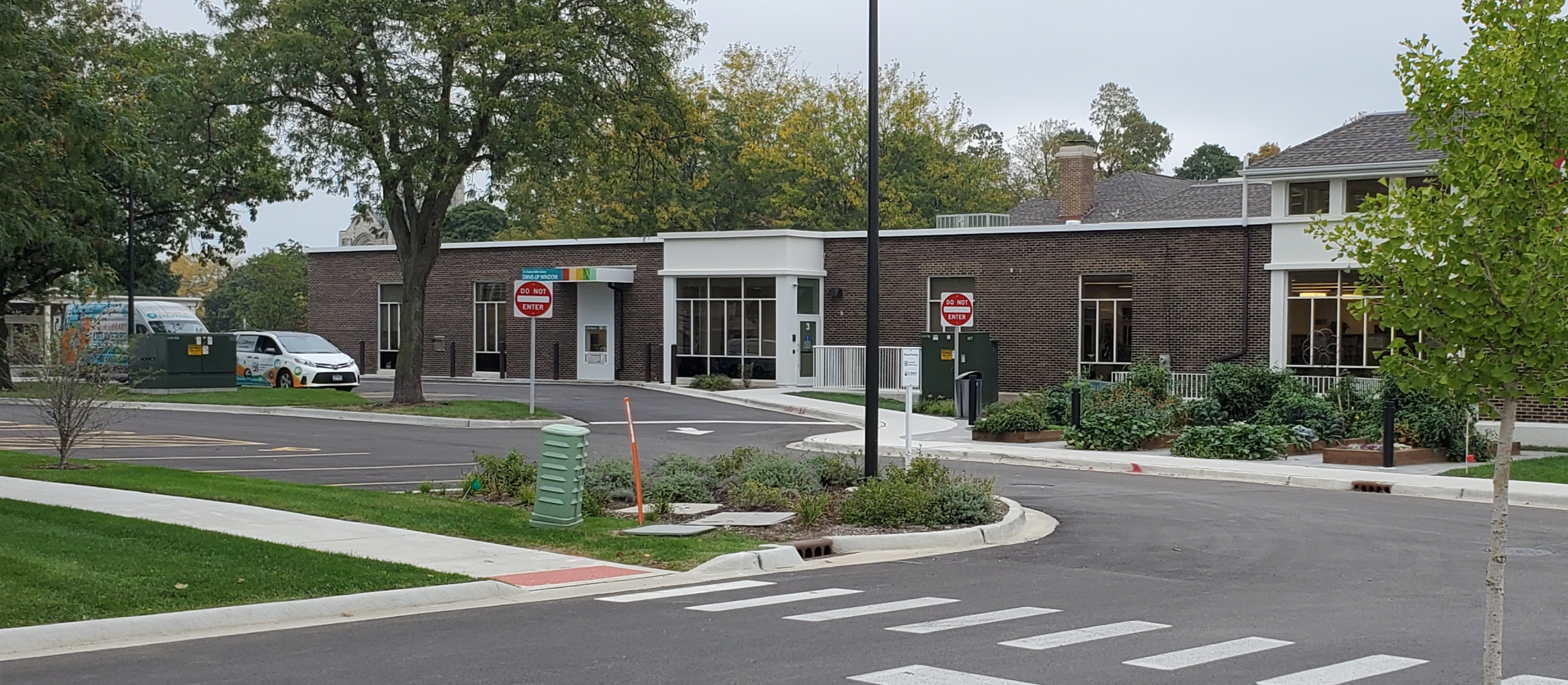
Place interior drop boxes close to the entrance — but not past a service point where materials might otherwise be handed to staff or simply abandoned
For exterior return slots, plan for overflow during long weekends (including options for removing carts and using padded floor areas)
Whenever possible, route both interior and exterior drop chutes directly into staff workspaces
If a drive-up window is being considered, make that decision early — it will drive your overall site and building configuration
These are not minor features. They directly affect staff workload, traffic patterns, and patron convenience.
Final thoughts
None of these elements are glamorous. They won’t all appear in your promotional photos. But they will determine how smoothly your building operates, how exhausted (or empowered) your staff feels, and how flexible your library can be as needs change.
In Part 2, we move from hidden infrastructure to visible experience — focusing on safety, sound, comfort, and the environmental factors that shape how people feel inside your library.