Recap of the 2025 CORE Forum: A Growing Space for Leaders Shaping Libraries’ Future
The CORE Forum has quickly become a standout event on the library conference calendar. Hosted by Core: Leadership, Infrastructures, Futures—the American Library Association’s newest division—it brings together the people who guide how libraries operate, evolve, and plan ahead. Core itself was formed by combining three legacy ALA divisions (LITA, LLAMA, and ALCTS), and its annual Forum reflects that breadth. Now in its fourth year, the event continues to expand while keeping an intimate, highly focused feel.
This year’s Forum, held in Denver at the Hilton City Center, drew over 500 attendees. The size mirrors a large state conference, but the audience is national and intentionally concentrated. About 80–90% of attendees are managers or decision-makers, which means conversations tend to happen among peers who share similar challenges and responsibilities. That dynamic is very different from larger events like the PLA Conference, where roles vary widely, and it’s harder to find colleagues working in comparable contexts. At Core, most people you meet understand your daily realities—making the hallway conversations just as useful as the formal sessions.
A Program Designed for Depth
The Forum features tracks for Access & Equity, Buildings & Operations, Leadership & Management, Metadata & Collections, Preservation, and Technology. The programming has earned a reputation for being consistently strong. This year continued that trend with sessions that dug beneath foundational ideas and offered more advanced perspectives. Attendees described the content as some of the best they’ve experienced at any ALA-related event.
RTL Principal Rob Cullin said that for him, two sessions stood out in particular: one on data—encouraging libraries to look at information in new and unconventional ways—and another on demographic analysis, a topic increasingly important for planning, operations, and community engagement.
Because the audience skews experienced and growth-oriented, presenters can assume a certain level of knowledge. Cullin estimates that about 95% of attendees come with the intention to improve, innovate, and rethink their work. Pair that with a conference contained within a single hotel, and a kind of “micro ecosystem” forms where good ideas circulate quickly and connections feel easy.
Keynotes That Hit the Moment
The conference also succeeded in addressing broader trends shaping the profession.
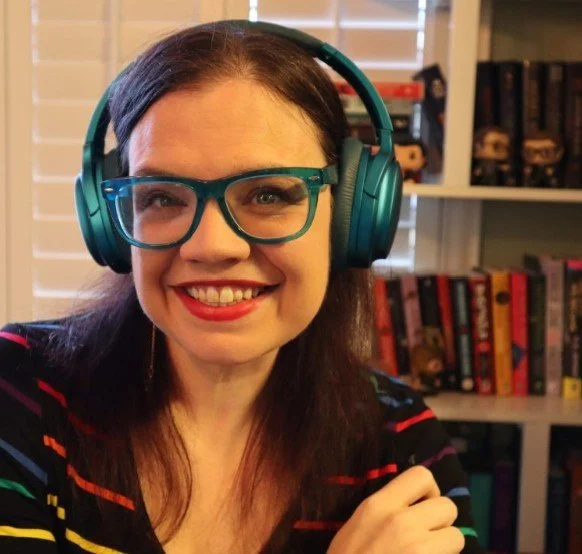
Casey Fiesler
Casey Fiesler (University of Colorado) delivered a keynote on artificial intelligence, offering a grounded and sometimes provocative look at how AI tools operate. She highlighted that systems like ChatGPT are designed to produce an answer—even when they’re uncertain—and that no amount of prompting fully eliminates underlying biases. Her reminder that these models are, at their core, sophisticated probability engines resonated with many attendees thinking about technology’s role in library spaces.
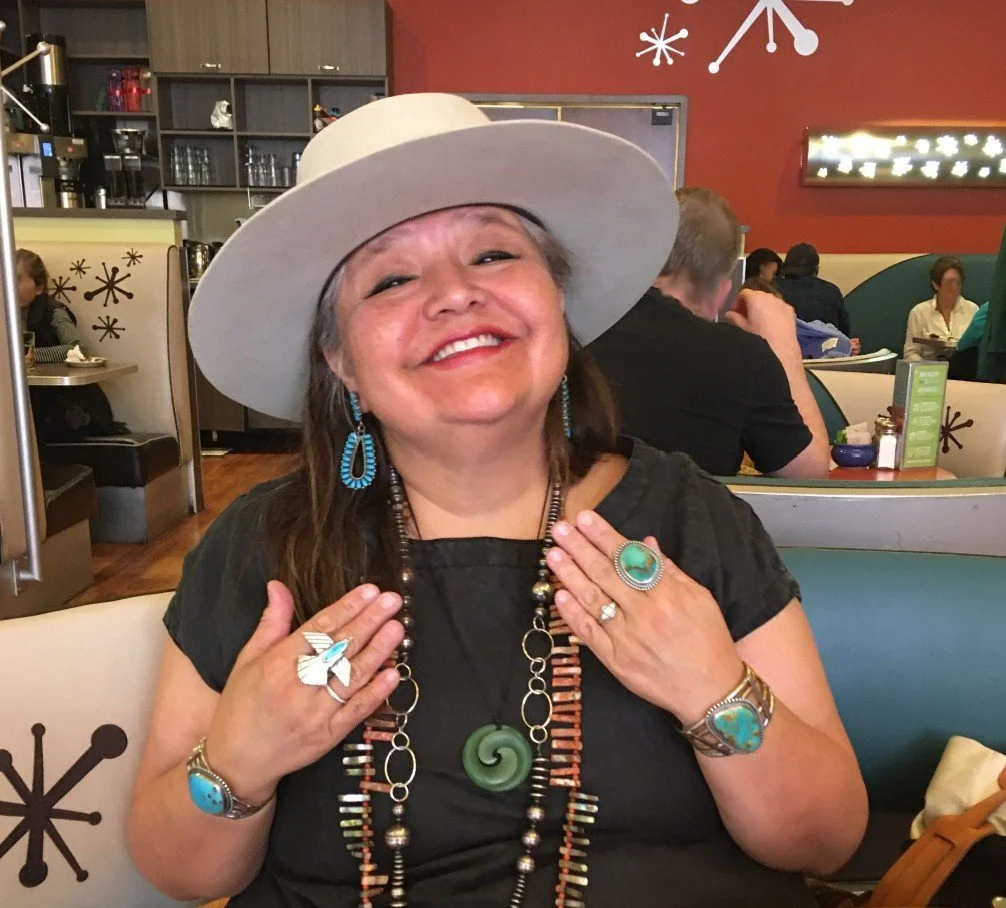
Melanie Yazzi
Melanie Yazzi, an Indigenous artist, spoke about the importance of connecting with people as part of creative work. Her reflections on her background, community, and practice encouraged listeners to consider the human relationships that shape both art and librarianship.
Exploring Denver’s Libraries
RTL Principal Janet Nelson enjoyed the optional library tours that opened the Forum. Participants visited the Denver Central Library and two branch locations—one of which houses a specialized African American collection and museum. The group also toured the Auraria Library, a shared resource serving multiple universities. These visits offered a look at how different institutions design spaces, collections, and services to support their communities.
A Thoughtful Conference Experience
Feedback from attendees was overwhelmingly positive. People appreciated the balance of academic and public library perspectives, noting that the programming felt relevant to both. Even small touches made a difference: all-day coffee and soda access, continental breakfast, and refreshments at breaks helped maintain the conference’s welcoming atmosphere. Those conveniences, combined with the manageable size and strong content, made the event feel personal in a way national conferences rarely do.
Another notable element: the presence of many architects among the sponsors and participants. Their involvement underscores the Forum’s emphasis on infrastructure, design, and the evolving physical footprint of libraries.
Looking Ahead
Next year’s CORE Forum will be held in Louisville at the Galt House, November 18–20, 2026. For those who haven’t yet attended, it remains an under-the-radar event—one that offers a targeted, high-value experience for library leaders and innovators. For many attendees, it’s quickly becoming a must on the annual schedule.
