Reimagining Space and Collections at Park Ridge Public Library
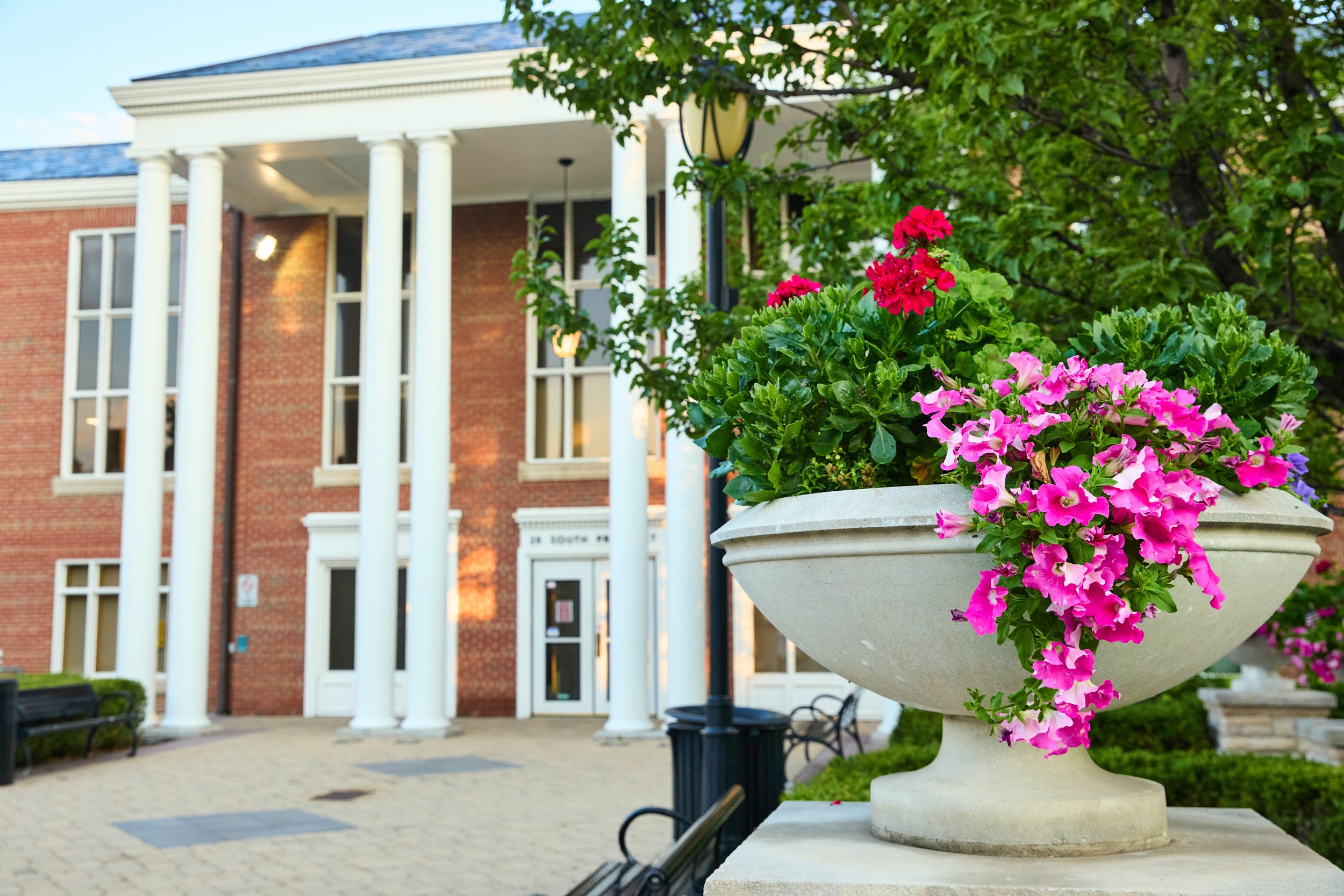
Park Ridge Public Library sits right at the heart of its community—both geographically and culturally. Serving a suburb of about 39,000 residents just outside Chicago, the library operates within a 37,000-square-foot building in a town known for its strong schools, high mobility, and engaged residents. It’s a place where people move for opportunity—and where the library plays a central role in community life.
“We’re very well-respected here,” says Director Joanna Bertucci. “That came through clearly in our recent community survey.” With long-tenured staff and deep patron relationships, the library has built a strong foundation. Now, through its recent work with ReThinking Libraries (RTL), it’s focused on evolving that foundation to meet changing needs—particularly when it comes to space and collections.
Planning for What’s Next
The library’s new four-year strategic plan, approved last fall and launched at the start of the year, reflects both continuity and change. The planning process saw strong community engagement, including high survey participation and 70 residents attending focus groups—clear evidence of how invested the community is in its library.
Year one of the plan focuses heavily on adult collections and how they are presented within the building. To support this work, the library engaged space consultant David Vinjamuri to conduct a space and collections study.
“We want to rethink how our space works for our users,” Bertucci explains. “And we want to refresh it regularly—about every five years—so it continues to feel relevant and appealing.”
The Space Challenge
Like many libraries, Park Ridge faces a fundamental constraint: space. The building is simply too small for the level of use it sees.
“Our circulation is very high,” Bertucci says. “And the biggest challenge has always been how to make the most of every square inch.”
With a referendum for interior library renovations passed in 2015, and a recent school district referendum in the community, the feasibility of funding a new building is financially unlikely. That reality has sharpened the library’s focus on maximizing its current footprint.
Community feedback has been clear: residents want more meeting and collaborative spaces. The challenge is finding room for those functions without sacrificing access to collections.
From Warehouse to Marketplace
The Vinjamuri study is helping the library reframe how it thinks about collections—not as static inventory, but as dynamic, browsable experiences.
“The idea is to move away from the library as a warehouse,” Bertucci says, “and instead merchandise the collection so it’s more visible and engaging.”
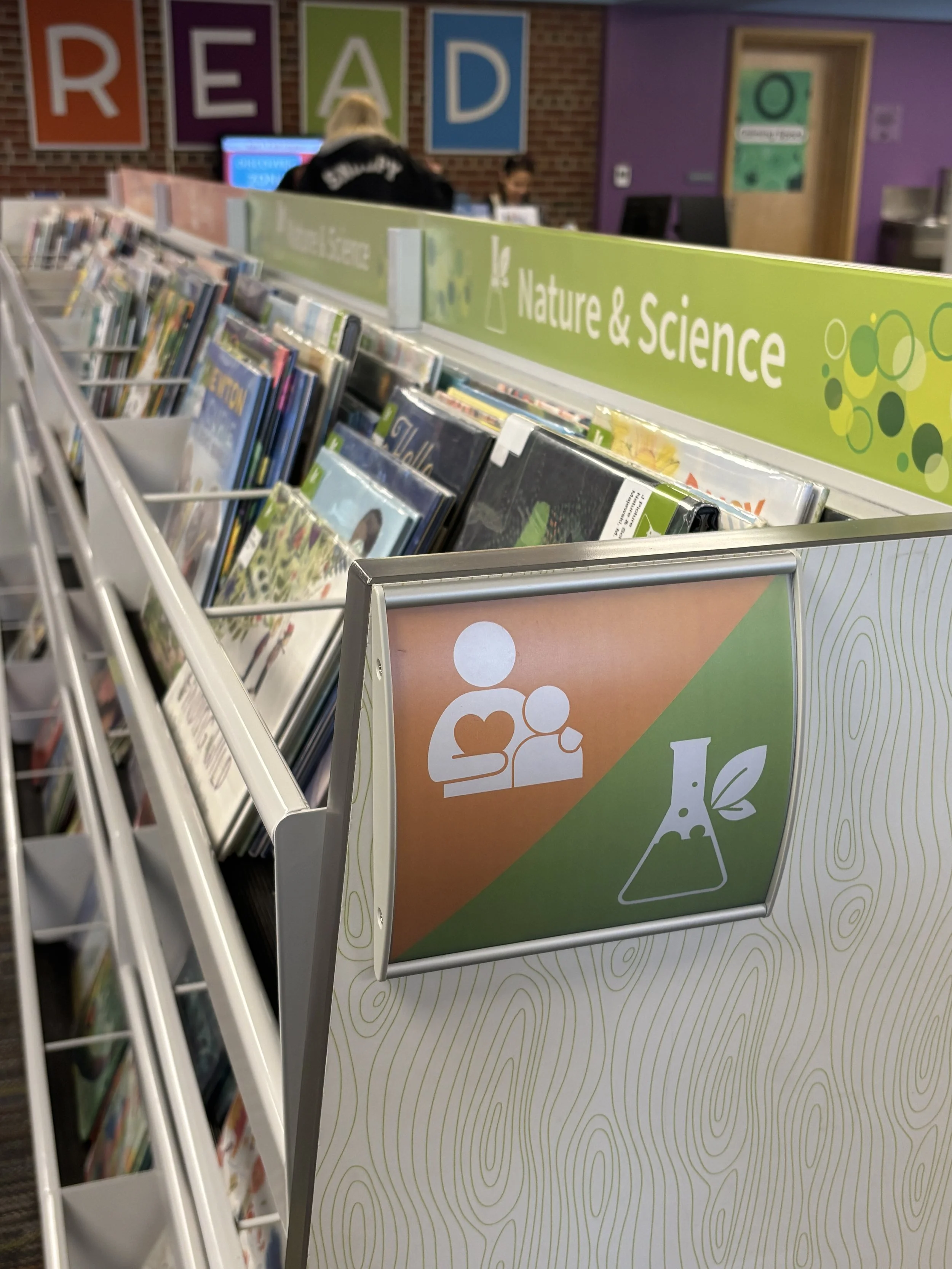
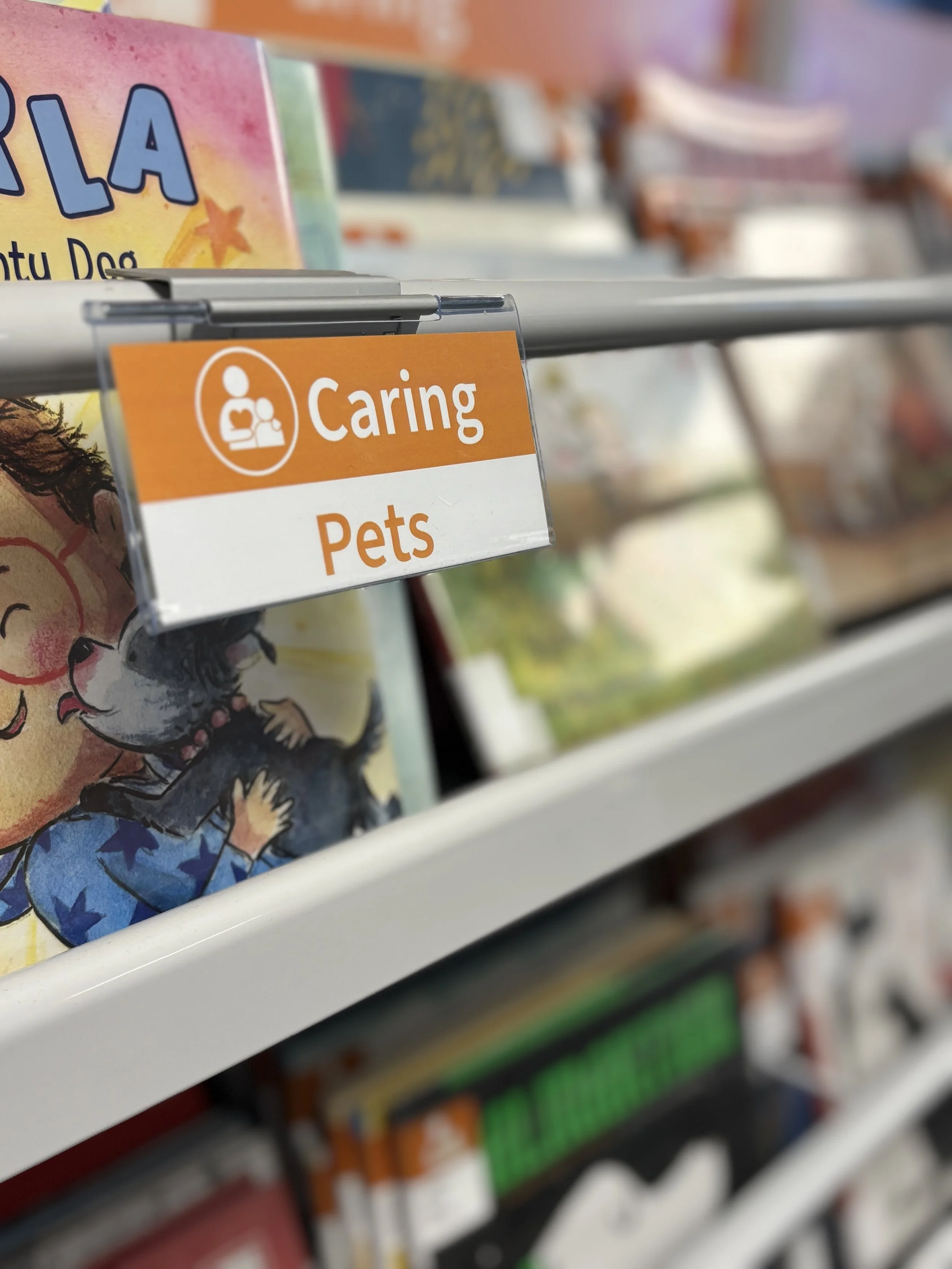
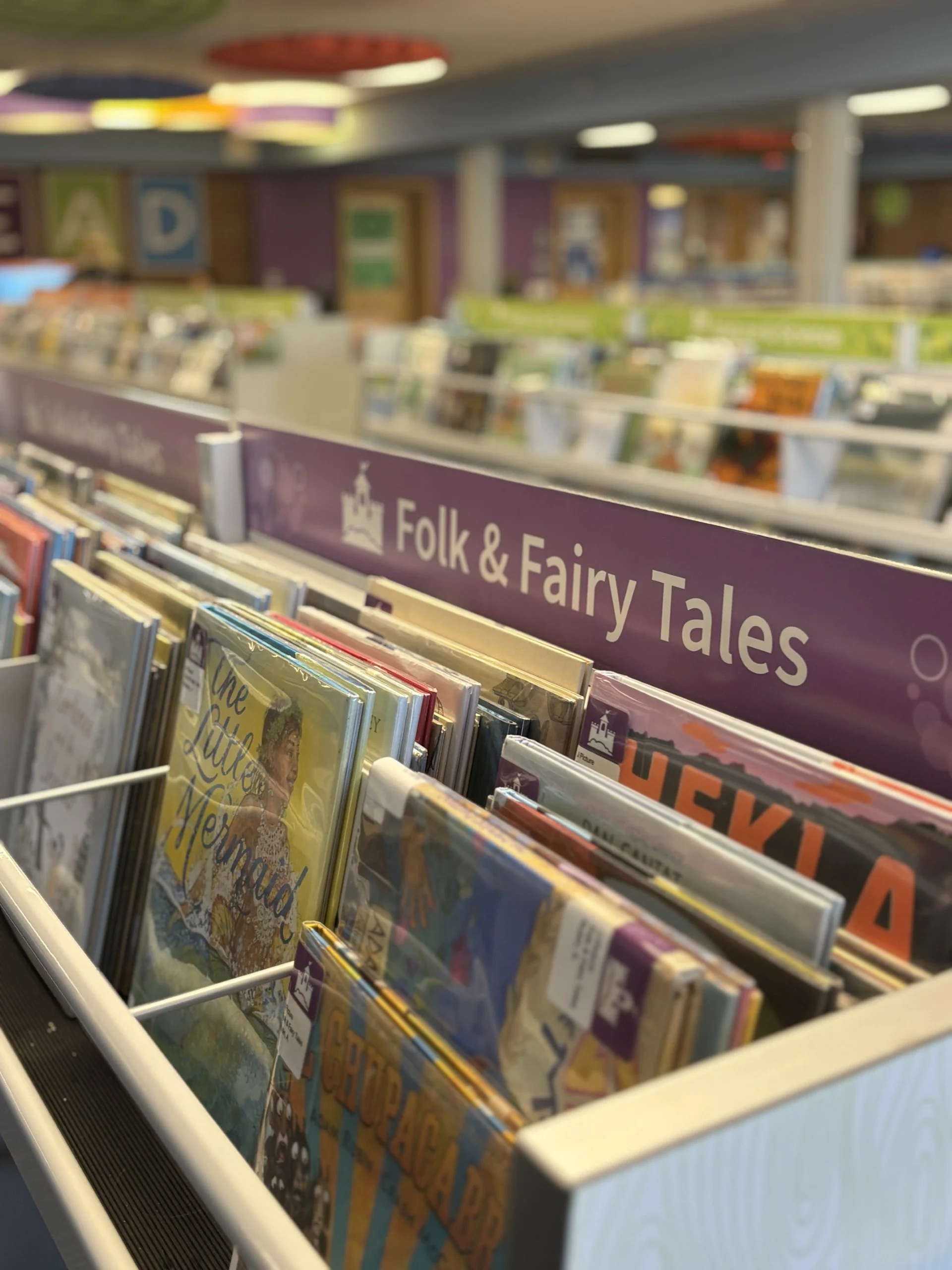
The plan includes creating approximately 20 “marketplaces” within the adult collection—curated, visually appealing areas that highlight materials in a way that invites discovery. This approach builds on the library’s earlier work “genrefying” children’s collections, which successfully increased engagement by making materials easier to browse.
The library will also be making strategic shifts in how space is used. Some CD and audiobook shelving will be removed to make room for seating—pods, booths, and other flexible options that support both individual and collaborative use.
These changes are intentionally cost-effective. By retrofitting existing Biblomodel shelving and updating end panels, the library can implement the new design for under $10,000, funded through its annual Illinois State Library per capita grant.
Aligning Collections with Use
The rethinking of space goes hand-in-hand with changes to the collection itself.
Print circulation has remained flat, while digital circulation now accounts for 37% of total use. In response, the library has shifted resources—cutting Hoopla to invest more heavily in OverDrive, with the goal of reducing wait times for high-demand titles.
At the same time, the library is making deliberate decisions about physical formats. CDs and audiobooks are being phased out, creating room for more impactful displays and experiences.
“We’re focusing on presenting materials in a way that drives discovery,” Bertucci says. “That includes incorporating older titles into displays so they continue to circulate.”
Supporting Staff Through Change
These shifts also represent a meaningful change in staff roles—and an opportunity.
As the library moves away from maintaining large, passive collections, staff are taking on more active roles in curation, merchandising, and readers’ advisory. That requires new skills and a broader approach to connecting patrons with materials.
“We’re working with staff to help them feel comfortable with the changes,” Bertucci notes. “And we’ve increased our professional development budget to support that growth.”
Additional training in readers’ advisory, in particular, will help staff better serve a wide range of community interests. It’s a shift toward higher-level, more engaging library work.
Early Wins and Looking Ahead
Even in the early stages of implementation, the library is moving forward on multiple fronts. A new Communico app for program registration and event management is rolling out, along with a mobile app—both priorities identified during the strategic planning process.
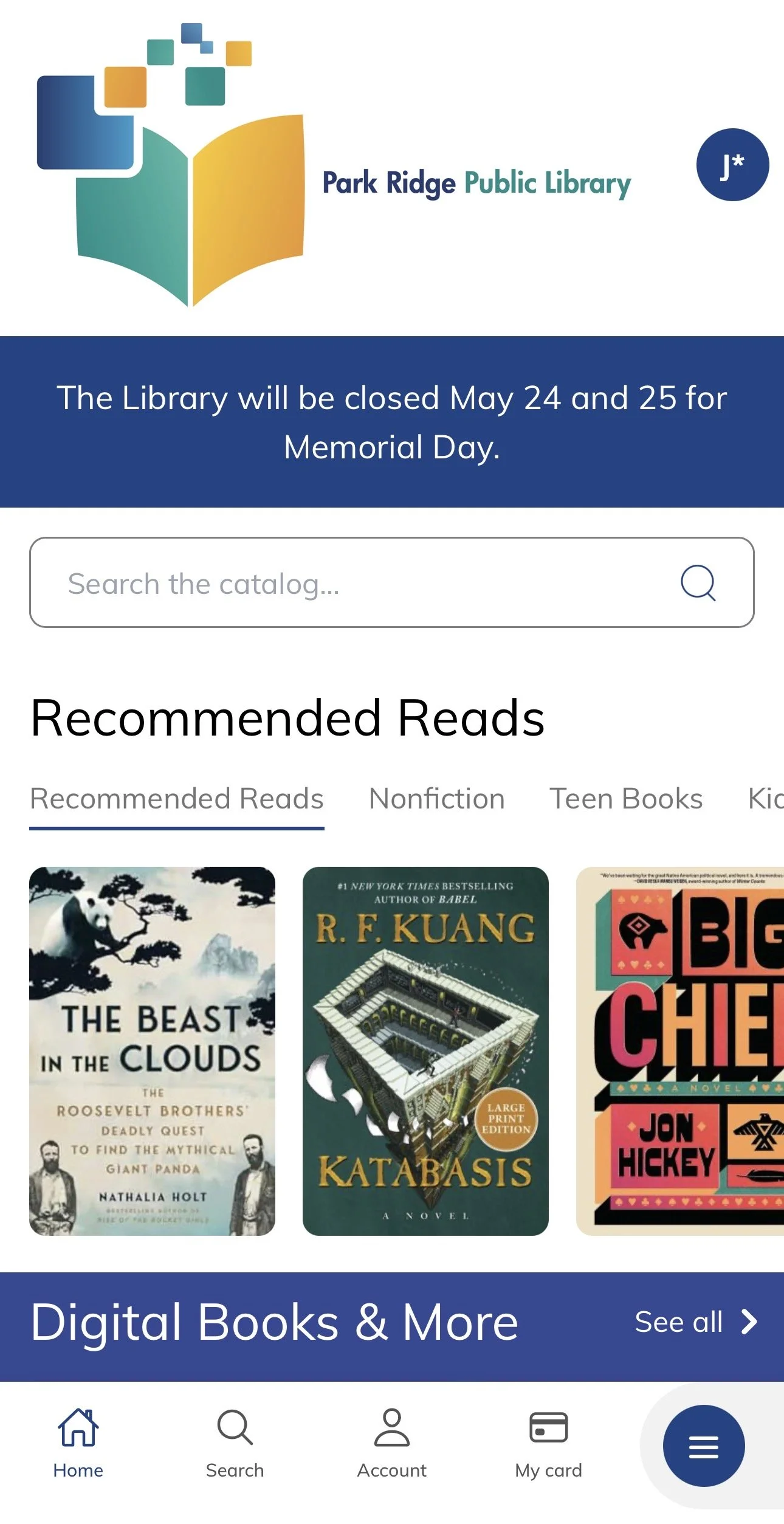
At the same time, the library is preparing for summer reading while laying the groundwork for longer-term changes in space and collections.
Looking ahead, one area of focus is adult outreach. While the library has strong partnerships with schools and daycare providers, connections with older adults and community groups have been identified as an area of potential growth.
“That came through as a missed opportunity in our strategic plan,” Bertucci says. “We’re starting conversations now, and in year two we’re looking at possibly creating a dedicated outreach role.”
Ideas under consideration include partnerships with senior living centers and even coordinating transportation to help older adults access library services more easily.
A Library That Keeps Evolving
For Park Ridge Public Library, the work with RTL has provided both a roadmap and a catalyst. The library is building on its strengths—strong community support, dedicated staff, and high usage—while making thoughtful, strategic changes to stay relevant. At its core, this is about intentional evolution.
“We want to keep the library fresh,” Bertucci says. “We want people to walk in and feel like this space is designed for them—now, not 10 or 20 years ago.”
By rethinking how space and collections work together, Park Ridge is creating a more flexible, engaging library experience—one that reflects how its community lives, reads, and connects today.
