From Staff Retention to Community Impact: Lessons From an Internally Focused Library Strategic Plan
When a library takes time to look inward — at staff experience, organizational structure, and how services are delivered — the results can be surprisingly far-reaching. That was the case for the ReThinking Libraries strategic planning project with the Newburgh Chandler Public Library in Indiana, where a focus on internal health ultimately strengthened community service as well.
Director Trista Smith, who has led the library for more than 11 years, serves a diverse district of about 40,000 residents spanning suburban growth and rural traditions. The town of Newburgh functions largely as a suburb of Evansville, with many residents commuting for work, while nearby Chandler brings a more agricultural, small-town demographic into the service area. Together, these communities expect strong public services and welcoming library spaces.
An Internally Focused Strategic Plan
Unlike many strategic planning efforts that emphasize extensive community input, Smith intentionally prioritized internal operations in the 2022 planning process. Staff facilitation sessions, board engagement, and organizational reflection were central components.
The most pressing challenge was staff turnover. Starting wages for front-line positions had once been as low as $9 per hour, making recruitment and retention difficult. Constant vacancies affected service continuity and morale.
Four Strategic Pillars
From the planning work emerged four core priorities:
Staff retention and internal processes – improving compensation, benefits, and workplace culture
Marketing and visibility – communicating services more professionally and consistently
Use of space – maximizing existing facilities before expanding
Community outreach – strengthening connections with residents across the district
These pillars guided both structural decisions and smaller operational changes.
Compensation, Culture, and Retention
One of the most consequential steps involved reevaluating staffing structures. Some positions were eliminated or reorganized so starting wages could increase to $15 per hour. According to Smith, turnover dropped significantly after that change.
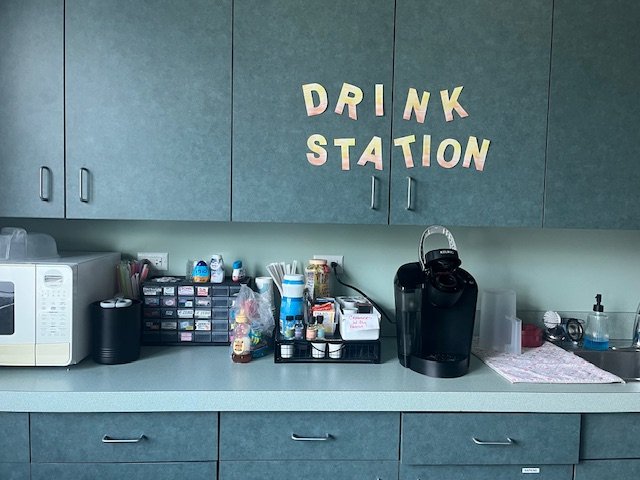
Equally notable were small morale-boosting initiatives: a staff lounge drink station with iced coffee and energy drinks, plus monthly snacks selected by employees celebrating birthdays. These relatively simple efforts contributed to a stronger workplace atmosphere and were easy to sustain.
Professionalizing Marketing and Career Paths
The strategic plan also revealed a gap between librarian roles and clerical positions, limiting advancement opportunities. Creating paraprofessional positions — including a dedicated marketing role — addressed both mobility and visibility.
Since then, the library has moved from basic flyers to more coordinated outreach, including billboard promotion for summer reading, a regular email newsletter, and other branding efforts that present a more polished public image.
Cross-Training Builds Collaboration
Staff development has produced some unexpected cultural benefits. Cross-training and weekly departmental rotations mean employees can cover multiple service areas. Smith reports stronger collaboration, greater comfort stepping in for colleagues, and even more informal relationship-building among staff.
These internal connections, while not always highlighted in strategic plans, can significantly influence service quality and organizational resilience.
Looking Ahead: Renovation and Renewal

Downtown branch rendering by Hafer Architects
The library is now preparing for two major facility projects funded through bonds secured in late 2024. The main branch will undergo phased renovations while remaining open, including HVAC replacement, roofing, and infrastructure upgrades. Meanwhile, the downtown branch — housed in a historic building — will close temporarily for a full interior renovation, offering an opportunity to rethink how the space supports modern services.
Managing construction while maintaining service will be demanding, but Smith expresses confidence in her team’s adaptability — a confidence shaped by the organizational groundwork laid during strategic planning.
A Foundation for the Future
With renovations underway and organizational systems strengthened, the library anticipates revisiting strategic planning once construction is complete. The internal focus of the last plan appears to have positioned the organization well for that next phase.
For libraries facing similar staffing pressures, organizational transitions, or facility changes, this experience illustrates how inward-focused planning can produce outward-facing impact — strengthening both workplace culture and community service.
