Project Grace: Advocating for the Library in a Complex Joint-Use Project
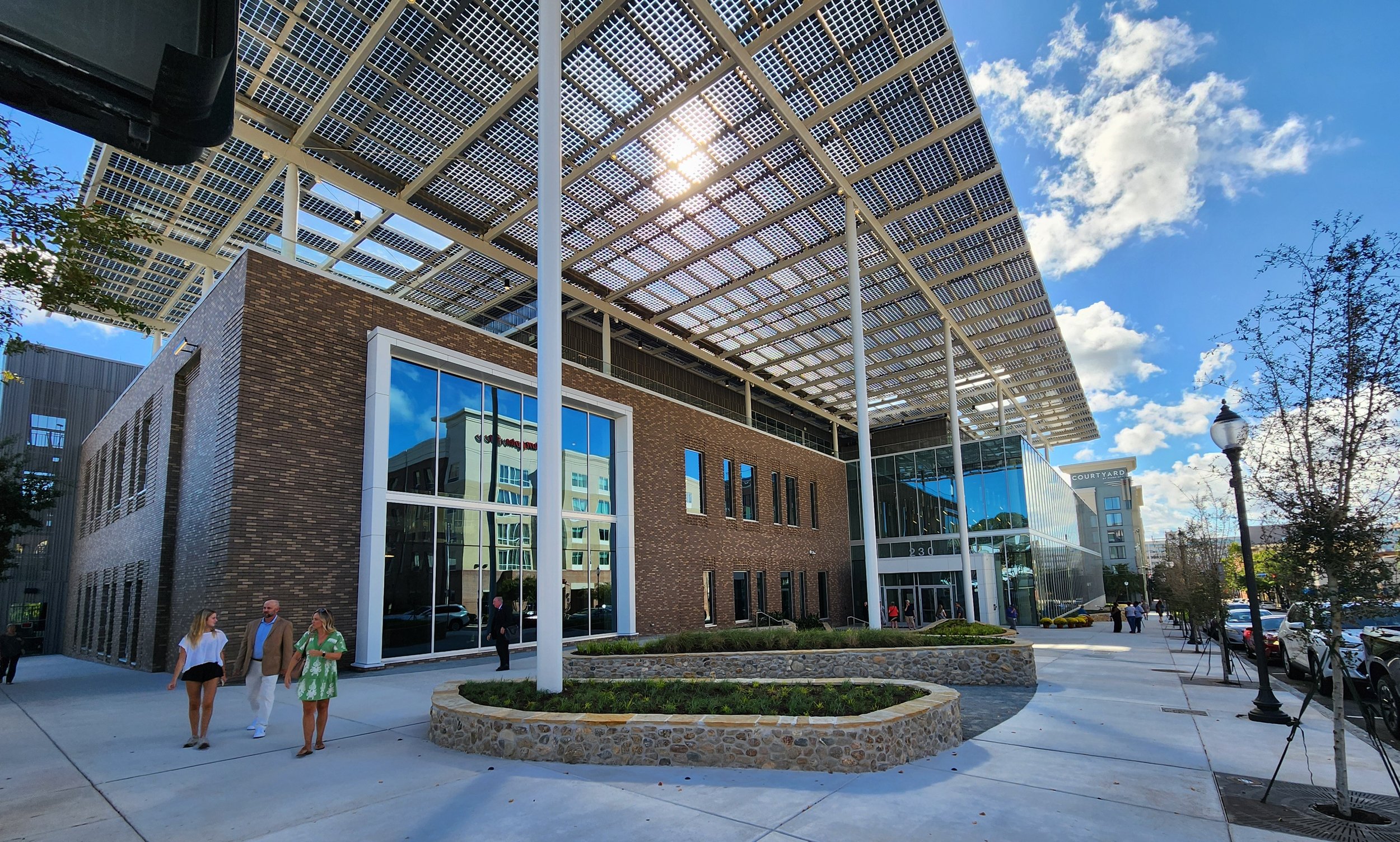
When New Hanover County Library System in North Carolina embarked on Project Grace, the vision was ambitious: a new downtown facility that would bring the main library and a children’s, science, and natural history museum together under one roof. For ReThinking Libraries (RTL), the project offered an unusual opportunity to help shape a shared public space while ensuring that the library’s operational and service needs remained part of the conversation.
Wilmington is a historic port city with a mix of longtime residents and newer retirees. Often described as having a smaller Charleston feel, the city has a vibrant downtown and a strong sense of history. The library’s existing main location was housed in a former department store, and the city had entered into an agreement with a developer to build a new library and museum in exchange for the parcel where the existing library stood.
Joining the Project Already Underway
By the time RTL was brought into the project, the architect had already been selected by the developer and the project had reached the schematic design phase. The library and museum occupied an unusual position: they were stakeholders in the project, but neither was fully in the traditional client role.
The library needed someone who could advocate for its needs while understanding both library operations and building design. Through networking, the library director found RTL, which was able to bring both areas of expertise to the project.
“We tried to work as an advocate for the library,” Cullin explains. “There were things that needed to be considered from a library perspective.”
One of the biggest challenges was that the design was being driven by a severely outdated library space program. The initial designs created significant operational concerns, particularly around staff spaces. Because the library had limited leverage in the process, RTL’s role was to identify potential problems and push for changes wherever possible.
Solving Problems in a Shared Space
Project Grace presented a number of challenges that are unique to a joint library and museum facility. The two organizations would share major areas of the building, including the entry lobby and large program rooms, while also maintaining distinct operational needs.
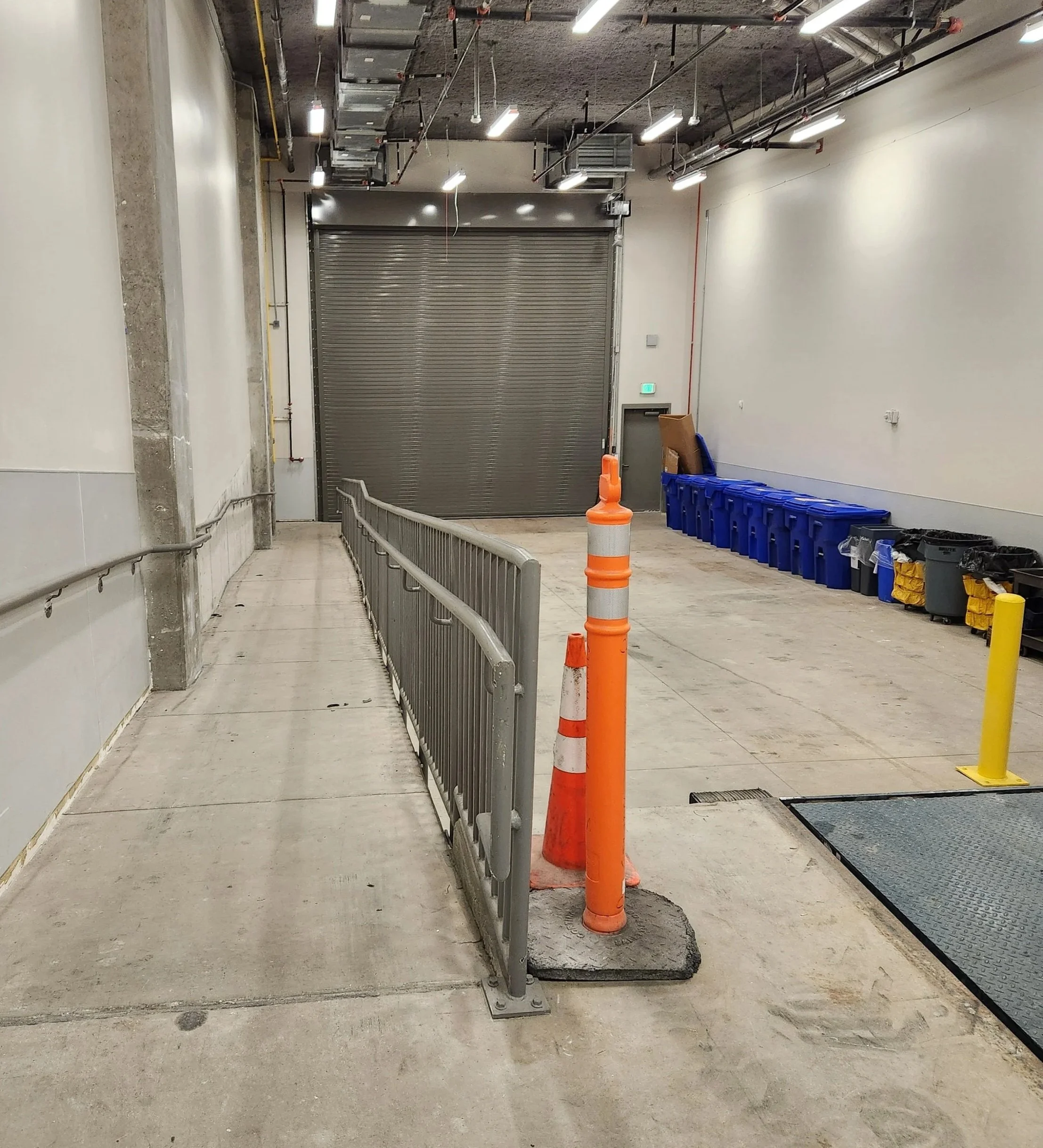
Even seemingly straightforward building functions required careful consideration. For example, the library receives shipments regularly, while the museum needs a loading dock capable of accommodating large exhibits—but only occasionally. Finding solutions that worked for both organizations required a willingness to tackle difficult questions and negotiate trade-offs.
Cullin found the museum to be an excellent partner throughout the process.
“They were an honest and open broker around the table,” he says.
RTL was able to address many of the most significant problems it identified in the original designs. Staff spaces were improved, and a number of other changes helped create a facility that could function more effectively for the library. Not everything could be resolved, however, particularly given the stage of the project when RTL became involved.
A subsequent six- to eight-month financing hiatus complicated matters further. During that period, the library experienced a change in leadership, and a value engineering process resulted in some of the improvements RTL had advocated for being reversed.
A Successful Public Space—with Lessons for Staff
Project Grace opened in fall 2025, bringing the library and museum together in a prominent downtown location. The public response has been strong. The main library was already busy in its former location, but the new facility is even more heavily used.
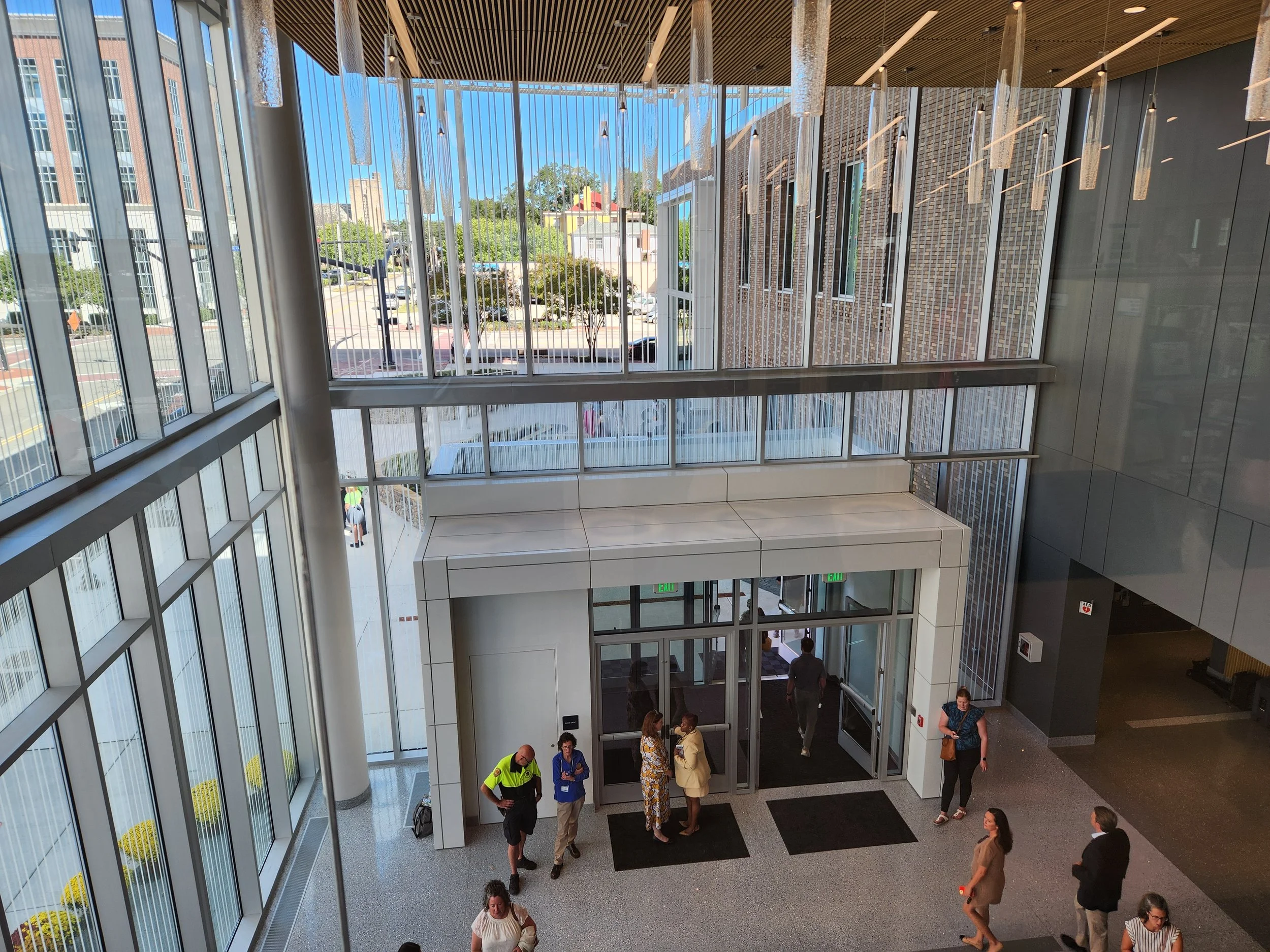
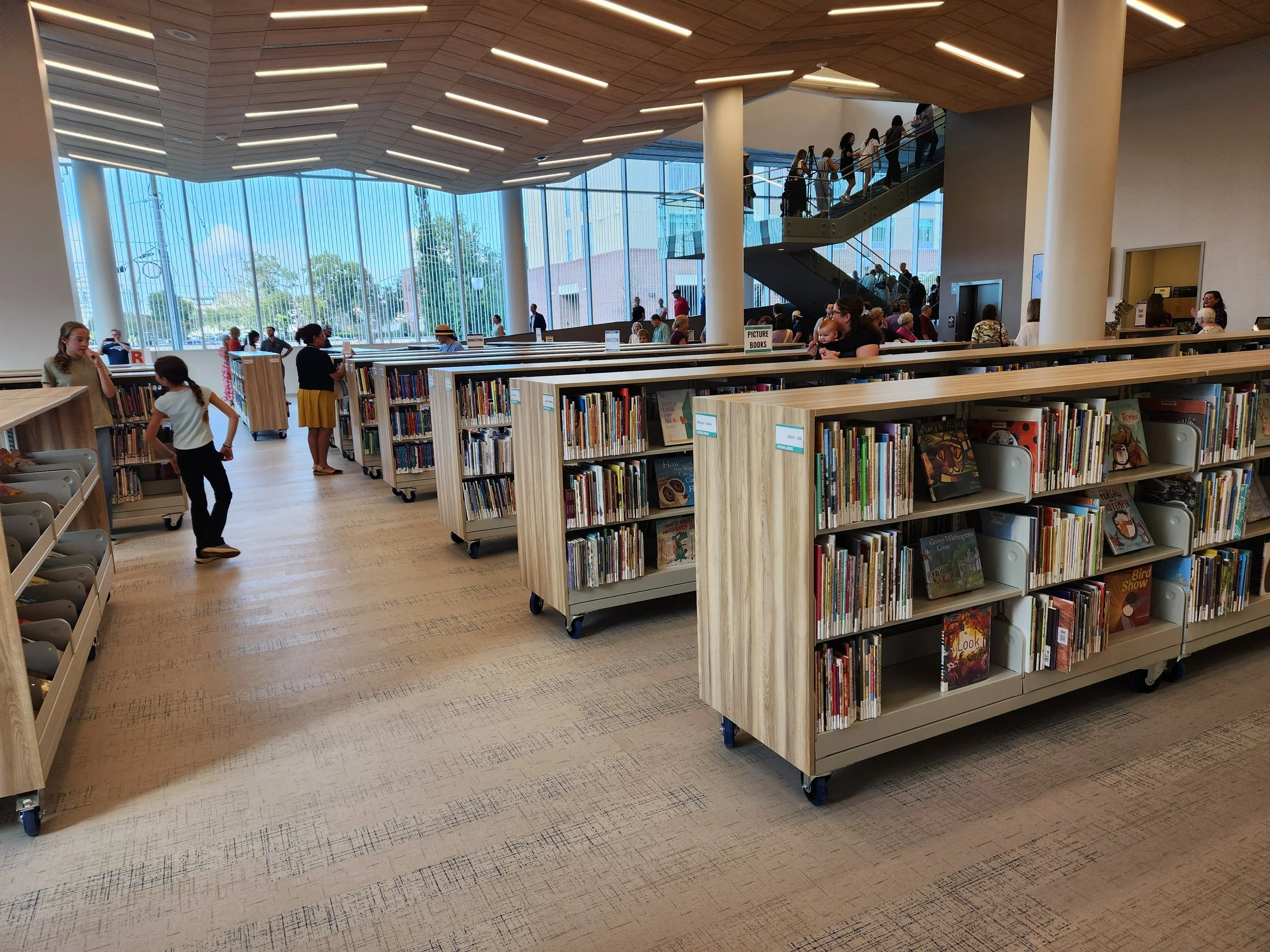
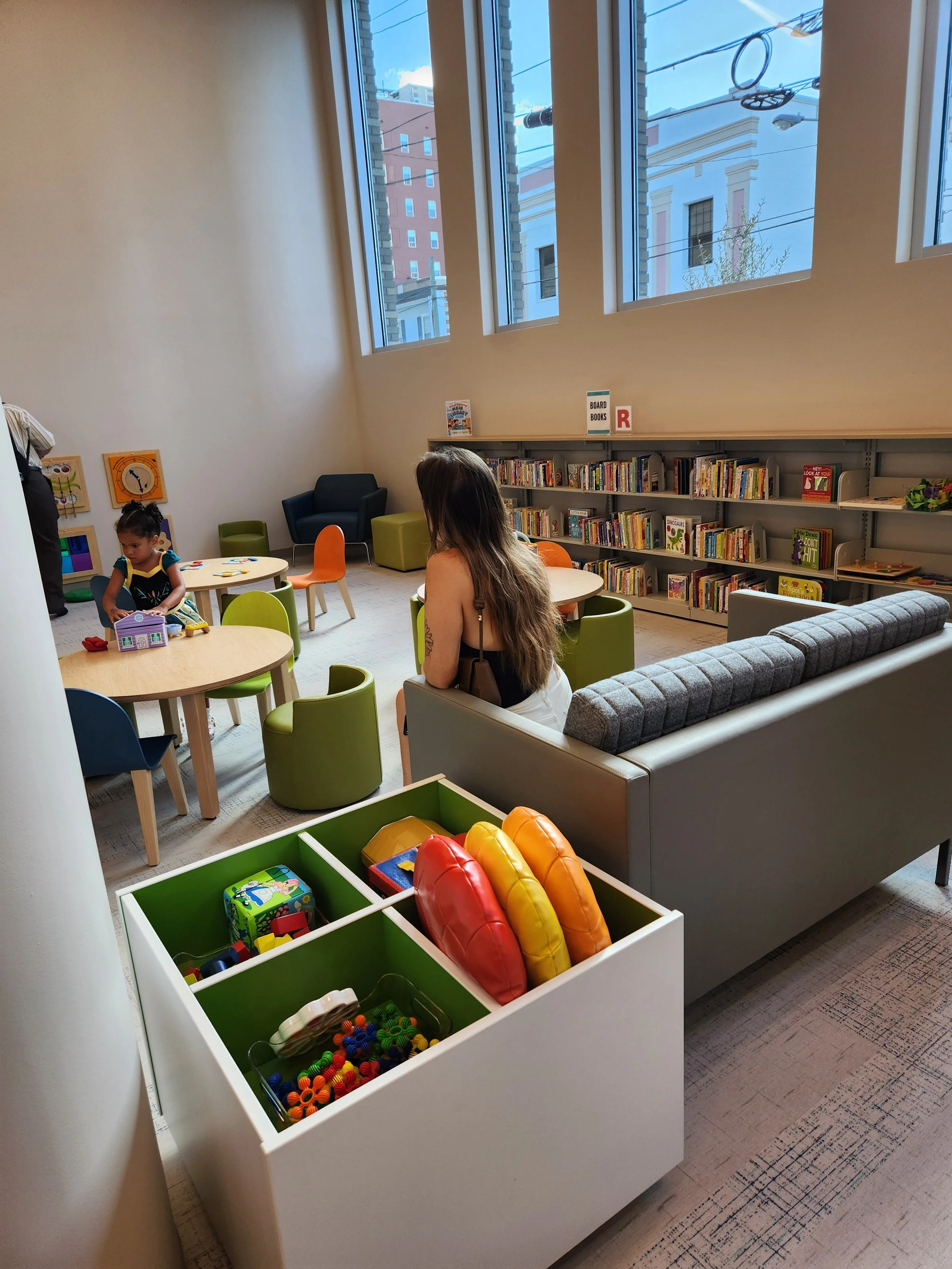
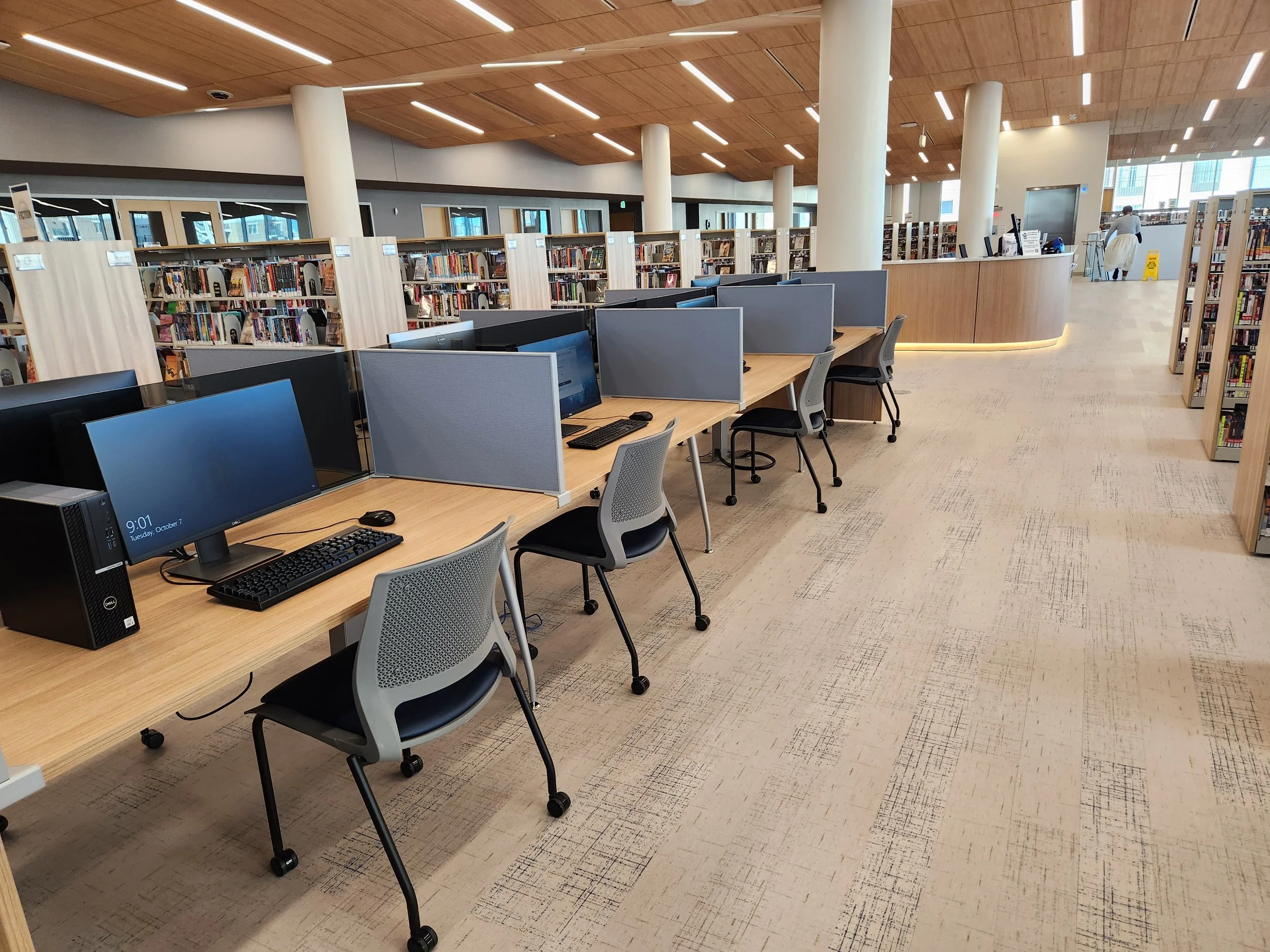
The open design creates some challenges, particularly with noise from children and museum activities. Overall, though, the building is working well for the public.
For Cullin, another particularly interesting component of the project was the library’s local history and archives center. New Hanover County had a robust local history collection, and the project provided an opportunity to create a high-end space specifically designed to support those materials. The work introduced RTL to considerations such as compact shelving that are less common in typical public library planning.
The project also reinforced an important lesson about staff spaces. They are not simply a matter of providing a certain number of square feet. Their configuration and relationship to other areas of the building matter just as much.
For example, if staff members have to walk through public areas to move between staff spaces, they may be interrupted by patrons while they are on a break or trying to complete other work. A staff space can technically exist and still fail to support staff effectively.
Building on the Relationship
The relationship RTL developed with New Hanover County Library System through Project Grace continued after the building opened. The library later issued an RFP for planning work for its Northchase Branch, and RTL was selected for the project.
Looking further ahead, the county is also planning another branch to help serve residents across its geographic area.
Cullin was particularly impressed by the New Hanover County staff throughout the process. A project of this scale requires a substantial investment of time and attention from library staff, and the team carved out the time necessary to participate meaningfully.
Lessons for Libraries Considering a Joint-Use Facility
Project Grace reinforced several lessons that can help other libraries undertaking complex building projects.
Bring library expertise into the process early. By the time RTL joined Project Grace, several important decisions had already been made. Bringing a library planning consultant into the process earlier could have helped prevent some of the challenges that later had to be addressed.
Plan financing carefully. For projects involving multiple uses or partners, libraries and their communities should work with state and local partners well in advance to understand whether proposed financing models are viable. The financing interruption on Project Grace had a significant effect on the project's timeline and ultimately on some of the design decisions.
Don't underestimate staff space. Staff areas deserve the same thoughtful planning as public spaces. Square footage is only part of the equation; accessibility, adjacencies, circulation, and configuration all affect how effectively staff can do their jobs.
Be prepared for trade-offs in shared facilities. Combining a library and museum can create opportunities for larger shared spaces, increased visibility, and new ways for the community to interact with both organizations. It also requires careful attention to the operational differences between partners.
For New Hanover County, Project Grace represents an important addition to downtown Wilmington and a new chapter for its library system. For RTL, the project demonstrated the value of bringing library expertise to complex building projects—and the importance of having that expertise at the table from the very beginning.
